
Raising a flock of chickens at home can be a huge task, especially if you’re doing it all by yourself.
The good news? If you have a pair of capable hands—in other words, some kids—at home, it’s more than possible to teach them the proper way to care for your livestock and keep your schedule free to accomplish other duties.
That said, educating your kids to keep chickens isn’t going to be a walk in the park. It’ll require patience on both of your ends. It’ll also be a trial-and-error process that would need constant supervision.
The well-being of your chicken is at stake, after all, so you want to ensure that you’re clearly communicating what your kid needs to do around the chicken coop.
If you want to ensure that you’re properly educating your child about the matter of chicken keeping, then you’re in the right place. We’ll dive into some crucial things you must know to ensure that your children are well-educated in the realm of chicken keeping.
Let’s jump right into it!
Family Chicken Keeping 101
- Start with Basic Lessons
If your kid is old enough to process and follow simple orders, start by teaching them the fundamentals of caring for the flock and maintaining the chicken coop. Walk them through your usual daily routine around the henhouse, from opening the coop to collecting the eggs in the nesting boxes.
Keep your tasks simple and easy to follow. You don’t have to bombard them with complex activities at the start, especially if your kid is on the younger side. Ease them into the job and make each step appropriately achievable to boost their confidence.
Furthermore, highlight the purpose of each activity and how they’re all connected. When they know the “why” behind each activity, they’ll be more motivated to follow through with the tasks they’re given all the way. This is good for both building your kid’s discipline and for the chickens to be happy and healthy.
Teaching them basic duties—such as refilling the water and feed stations, collecting eggs, and checking the coop’s overall condition—will help them feel more connected to these animals. In turn, they’ll develop genuine care for them, which is a great motivational source to keep them committed to chicken keeping in the long run.
For younger children, like toddlers, doing a simple chicken craft and reading a book about chickens can help reinforce proper care. Children love animals and teaching them about animals is one more helpful; learning opportunity.

- Emphasise the Chicken’s Dignity
Chickens may not be able to communicate, but they’re living creatures at the end of the day. As this is the case, it’s essential to treat them with a degree of respect that they rightfully deserve.
Teach your kid to handle them gently whenever they need to be carried around. Chickens can feel stress and fear if they don’t feel like they’re in a safe environment.
You should ensure that your kid is calm and gentle around them to ensure that the chickens don’t develop trauma around them. Teach your kid how to properly carry them to ensure that they’re not squeezing or hurting them.
Moreover, you should also teach your kid when and how to use various tools around the chicken coop that can improve the quality of life of your flock. There are a variety of tools that can achieve this, and a quick browse in Somerzby’s range of backyard chicken accessories can help you see the essentials to keep your coop a cozy place for your flock.
In any case, it’s essential to respect the dignity of the chickens and let your child know about handling them responsibly. This way, your chicken will continue to remain in good hands and you’ll also instill a sense of care onto your child—which they can carry along with them in other facets of their life.
- Demonstrate Your Teachings in Real Life
The brain of a child is like a sponge. They’re highly capable of absorbing information, including activities pertaining to chicken keeping.
In many cases, it’s best for you to teach your child by showing exactly what they need to do. It’s much easier for them to model these actions when it’s demonstrated before their eyes.
During the teaching process, let them watch you do the tasks as you explain the reasoning behind each step. When they see the process before them, they can connect the dots between action and outcome more readily.
After observation, give them the floor to perform the routine themselves. For instance, if you’ve taught them how to pour feed into the trough, then have them do it themselves as well. Then, tell them that it’s their responsibility from then on, or on certain days.
By giving them the chance to learn through demonstration, kids build confidence and develop practical skills they’ll remember far longer than a verbal lesson. It also deepens their connection to the animals, making something that may be deemed a chore to others actually feel meaningful to them.

- Create a Routine For Them to Follow
Another way to get your kid to become a committed chicken keeper is by giving them a routine to follow around the homestead.
Your kid won’t naturally be familiar with the system of caring for chicken on day one. They’ll likely miss some things or fail to accurately perform certain actions properly without your supervision—and that’s all a part of the process.
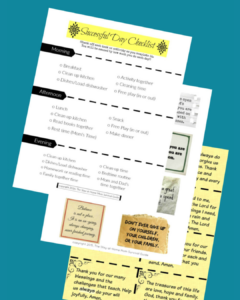
One way to ensure that they don’t completely lose interest is by creating a routine. This routine list should include not just the tasks they should do per day, but also the time in which they should do it and other specific instructions.
By establishing a schedule for them to follow, they’ll be more likely to do the right task at the right time. This will ensure that the chicken is well taken care of and that your kid will have a clear idea of what’s expected of them.
- Prioritise Safety and Hygiene
As nice as it is to see your kid work efficiently in the coop, it’s important that they do it safely and hygienically.
Chickens are fairly clean companions, but the nature of them being outdoor animals and staying in environments that may develop a bacteria or parasitical infestation may pose a health risk on both your flock and your kid.
With this being the case, it’s essential to teach your kid to uphold proper sanitary practices whenever they work in the coop. For instance, they should make it a habit to clean their hands both before and after doing livestock handling work. They should also make it a priority to keep the coop and outdoor area clean and free from chicken poop and dust.
Beyond that, they should also handle the chickens with consideration for their health. If your kid is sick or has been exposed to sickly animals, try to restrict them from being around the chickens. This way, your flock will remain disease-free for long, keeping everyone happy and productive.
>>>Follow our family homestead E6 Acres Farm over on Instagram!<<<
I hope these tips will serve you well as you educate your child on raising chickens. All the best!