
While parenting a child with special needs presents unique challenges, it’s a transformative journey that offers unique joys and profound rewards. In this guide, we’ll explore comprehensive strategies to help you support your child efficiently and ensure they lead a happy, fulfilling life.
Parenting a Child with Special Needs
Educate and Empower Yourself
Knowledge is your most powerful tool. Understanding your child’s specific condition, as well as their strengths, challenges, and treatment options, is essential for providing the best possible care. Gather information from reputable medical sources, support groups, and healthcare professionals to stay up to date on treatments and therapies. Parents can also use the Special Needs Care Network to compare specialized schools and therapy providers in their area.
Embrace your role as your child’s advocate. Remember that you are their best spokesperson, which means communicating effectively with medical professionals and educators to ensure your child receives the essential resources and accommodations.
Learn to navigate the financial and legal landscapes, especially if you suspect your child’s condition was caused by a preventable birth injury due to medical negligence. For instance, if your child has cerebral palsy, take the time to consult with cerebral palsy law firms that specialize in these cases. A successful lawsuit can provide critical financial compensation that can help cover your child’s costly, lifelong care.
Create a Structured and Predictable Environment
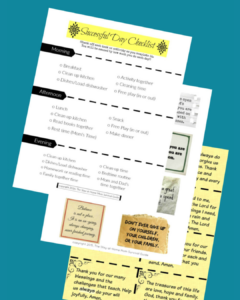
For many children with special needs, clear and consistent routines can help lessen anxiety and provide a sense of security. Establish a predictable schedule for activities like meals, bath times, and playtime. Use visual supports, as visual schedules, charts, and aids can help enhance your child’s understanding and communication.
Manage transitions by providing warnings about upcoming changes and using techniques like countdown timers to help ease your child. Make sure to create a quiet, sensory-friendly area where your child can decompress and regroup when overstimulated.
Encourage Independence and Growth
Fostering independence can help build your child’s confidence and teach them vital problem-solving skills. To prevent your child from getting overwhelmed, make it a point to break down tasks into smaller, manageable steps. Don’t forget to acknowledge and celebrate their accomplishments at each life stage, as this can help reinforce progress.
Explore assistive tools like speech-to-text software, communication devices, or mobility aids that can help your child work independently. Give your little one choices, even simple ones, to give them a sense of control over their lives.
Build a Strong Support Network
Caring for a child with special needs requires a village of support. Reach out to other parents facing similar experiences through local or online communities. Make sure to collaborate with your child’s educators, therapists, and other relevant individuals to ensure a consistent approach to your child’s development. Don’t hesitate to seek support from trusted family and friends and inform them about your child’s condition and needs. This can help create a broader network of understanding and support.
Take Care of Your Own Well-Being
Parenting a child, especially with special needs, can be taxing, so practicing self-care is imperative. Make sure to integrate proper nutrition, adequate rest, and regular exercise into your daily routine. Guided meditation or relaxation techniques can also be beneficial, especially on highly stressful days.
Make time for hobbies or activities you genuinely enjoy, and don’t be guilty about carving some time for yourself. Remember that it’s perfectly fine to take breaks to recharge, and your own needs are a priority, too.
Raising a child with special needs is a journey of growth, love, and immense reward. By educating yourself, creating a supportive environment, and accessing resources such as online speech therapy for kids, you can help your child reach their full potential.