
Busy parents face unique hair care challenges. Between morning chaos, school runs, meal prep, and countless other daily demands, finding time for a full wash day often feels impossible.
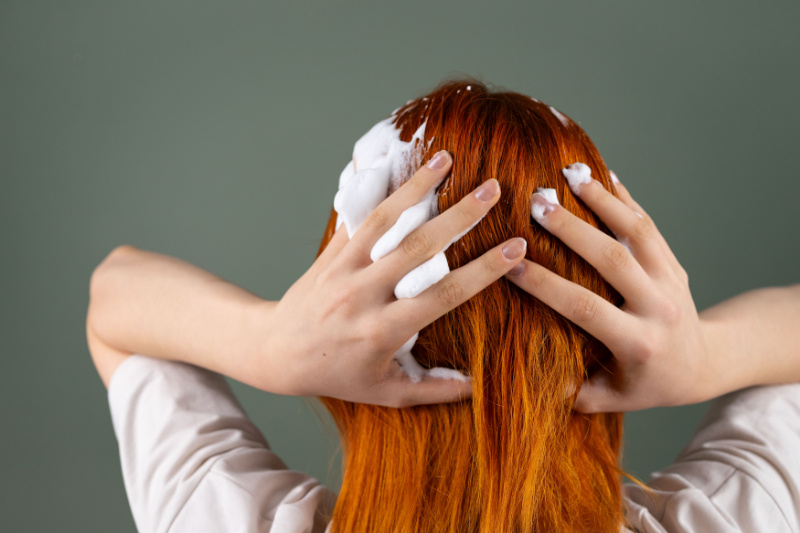
Photo by Beyzanur K.: https://www.pexels.com/photo/redhead-washing-hair-with-shampoo-lather-28994647/
Many moms rely on dry shampoo to extend time between washes, but this convenient solution can create hidden scalp health issues that affect both comfort and long-term hair vitality.
Understanding the scalp microbiome and why balance matters
Your scalp’s microbiome is the ecosystem of microorganisms living on the surface and inside the follicle, serving as the first line of defense against harmful microbes and keeping your scalp balanced and healthy.
This delicate bacterial and fungal community plays a critical role in maintaining optimal conditions for hair growth.
The scalp microbiota is jointly shaped by sebum level, barrier sensitivity, and lifestyle, with psychological stress showing a significant association with microbiome composition.
For mothers juggling multiple responsibilities, stress becomes more than just a mental burden. It directly alters the microbial environment on the scalp, which can lead to inflammation, itching, and compromised follicle health.
The scalp microbiome regulates sebum production and maintains an acidic pH, which is not conducive to the proliferation of various pathogens like Staphylococcus aureus and Streptococcus pyogenes.
When this protective barrier gets disrupted by product buildup or infrequent cleansing, the consequences extend beyond cosmetic concerns to genuine dermatological challenges.
Practical scalp care advice for moms who live on dry shampoo
Dry shampoo does not directly cause hair loss, but overuse creates product buildup that clogs hair follicles and causes scalp irritation.
The starch and alcohol powders absorb oil temporarily but never truly cleanse the scalp surface. Over time, layers of product residue combine with natural sebum, dead skin cells, and environmental debris.
If you don’t clean your scalp and use only dry shampoo, you can get rashes and inflammation, and you can also get dandruff if you use dry shampoo too often without properly washing your scalp.
This creates a breeding ground for microbial imbalances that trigger itching, flaking, and discomfort.
For mothers who depend on dry shampoo multiple days each week, incorporating a purifying shampoo into the weekly routine helps remove accumulated residue while supporting follicle balance. These specialized formulations target buildup without stripping away the natural protective oils entirely, restoring the scalp to a healthier baseline.
To maintain scalp health, dry shampoo should be limited to once or twice weekly and never used as a replacement for regular, thorough washing.
Establishing this boundary protects the long-term integrity of both the scalp environment and the hair shaft itself.
How follicle health connects to cleansing routines
Over 20 epidemiological studies have been published covering a wide range of abnormal scalp conditions in which consequent impacts to the hair have been documented.
The research consistently shows that scalp stress can make hair cuticle cells less flexible and more prone to shedding, while proper scalp care has been linked to improved hair growth and retention.
Hair follicles require consistent access to oxygen, nutrients, and a clean microenvironment to function optimally.
Washing your hair two to three times a week helps clear the scalp of dirt, sweat, debris, and product buildup, all of which can irritate or clog your follicles.
This frequency strikes a balance between maintaining cleanliness and preserving the natural sebum that protects both scalp and strands.
Understanding that beauty routines don’t need to be elaborate can help busy moms prioritize scalp health without feeling overwhelmed. Simple, consistent practices outperform sporadic intensive treatments every time.
Building a sustainable weekly scalp routine
Practical routines succeed when they fit realistically into existing schedules. For parents managing unpredictable days, flexibility becomes essential. Start by designating two to three specific wash days each week, spacing them evenly to prevent excessive oil accumulation.
On non-wash days, use dry shampoo sparingly and only at the roots where oil is most visible. Apply it the night before rather than in the morning, allowing the powder time to absorb oil while you sleep. Brush it out thoroughly in the morning to prevent residue from settling into the scalp.
Mid-week, consider a quick scalp massage during shower time, even on days you skip shampooing.
Regular scalp massage can boost circulation, bringing blood and oxygen to the hair follicles, and the massage also helps to exfoliate the scalp, keeping follicles free of dead skin and debris.
This takes less than three minutes but supports both immediate comfort and long-term follicle vitality.
When you do wash, focus cleansing efforts directly on the scalp rather than the hair lengths. Work the shampoo into the roots with your fingertips using gentle circular motions. Rinse thoroughly, as incomplete rinsing leaves behind residue that compounds the very buildup you’re trying to eliminate.
Recognizing the signs your scalp needs attention
Your scalp communicates its needs clearly if you know what to watch for. Persistent itching, visible flakes, tenderness to touch, or excessive oiliness within 24 hours of washing all signal that your current routine isn’t meeting your scalp’s requirements.
Signs of an unhealthy scalp include excessive oil production, dryness, flaking, itching, redness, and scalp acne, and over time these symptoms can lead to hair thinning or breakage and in some cases lead to more serious conditions.
Addressing these warning signs early prevents progression to more stubborn dermatological issues.
Some mothers notice increased shedding or changes in hair texture. While postpartum hormonal shifts naturally affect hair, persistent changes combined with scalp discomfort often point to environmental and lifestyle factors affecting the microbiome, rather than hormones alone. Adjusting cleansing frequency and product choices can restore balance surprisingly quickly.
If symptoms persist beyond two weeks of modified care, consulting a dermatologist ensures you receive appropriate guidance. Professional assessment can differentiate between temporary imbalance and conditions requiring medical intervention.
Balancing convenience with long-term scalp wellness
The reality of parenting means some weeks will be messier than others. School projects, illnesses, work deadlines, and sleep regressions all disrupt even the best-laid plans. Building in grace for imperfect weeks prevents the all-or-nothing thinking that derails sustainable habits.
On particularly chaotic weeks, prioritize just one thorough scalp cleanse rather than attempting your full routine. That single reset provides more benefit than multiple days of dry shampoo application without any true cleansing. Think of it as the minimum viable routine that keeps your scalp microbiome from tipping into problematic territory.
Remember that stress directly influences scalp microbiome composition, creating a feedback loop where overwhelm affects both your mental state and your physical scalp health. Protecting even small moments for basic self-care isn’t vanity. It’s maintaining the biological systems that support your overall wellbeing, allowing you to show up more fully for everyone who depends on you.



The point about dry shampoo being helpful between washes but not a replacement for regular scalp cleansing really resonated with me. As a busy mom, I also appreciated the focus on caring for the scalp itself, not just making roots look fresh when caffeine and limited time are already part of the routine.
Great article! Finding time for wash days is genuinely tough with little ones running around. This practical advice is a lifesaver.
The reminder that dry shampoo shouldn’t replace an actual wash really hit home. I also appreciated the focus on scalp care, not just making hair look clean, because the buildup and itchiness are so easy to ignore when you’re juggling kids and running on caffeine.
I really appreciated your insights on managing scalp health while relying on dry shampoo! Have you considered incorporating a weekly scalp scrub for deeper cleansing? It could enhance the overall care. Looking forward to trying some of these tips!
fnf
[object Object]
I’ve started setting a Sunday evening alarm to do a quick scalp scrub while the kids wind down, and it’s made a real difference in how long my dry shampoo actually works between washes. Do you have a favorite gentle scrub for busy weeks?
nano-bananapro
The part about dry shampoo causing clogged follicles really made me stop and think. I tend to use it daily to survive the week, but now I’m wondering—how can you tell if your scalp is actually congested vs. just oily from regular product use?
seedance2-5
Based on your advice, I’m scheduling a quick scalp scrub every Sunday before my shower. I had been piling on dry shampoo for days without ever clearing the buildup—this practical step should really help my scalp feel healthier.
nano-banana2