
One of those pregnancy symptoms, which usually comes as a surprise to pregnant women, is lower back and tailbone pain. The coxis pain pregnancy which is also referred to as tailbone pain, may cause you to have pain when sitting, erecting, or even turning in bed. This type of pain is triggered by changes in your body in which the pressure on it increases, as well as the change in posture and hormonal changes, when a growing baby needs and makes use of them.
Additionally, in the period of gestation, a hormone that is referred to as relaxin is secreted, and this hormone is meant to loosen the ligaments in the pelvis so as to allow birth to take place. Although this is crucial to the delivery procedure, it may also result in hyper-mobility at the tailbone area, resulting in its displacement out of position and forming a great deal of inflammation and pain.
It takes a complex kind of treatment that takes care of both the mechanical strain and the acute symptoms. The first step to treating this particular form of pelvic girdle discomfort is to understand that your body is getting used to a new location of the center of gravity. This guide is meant to offer you a broad array of measures, starting with ergonomic changes and including specific body movements, all meant to minimize the amount of pressure your coccyx is exposed to. With such precautionary steps in place, you will be able to find smoother sailing by your third trimester, and significantly avert lower-back aggravation.
Practical Tips to Relieve Tailbone Pain While Pregnant
The management of coccydynia has more to do with the redistribution of weight. The increased weight when you are pregnant shifts the weight forward with the growing uterus, but a counter-action will usually place too much strain on the sacrum and coccyx. The best way to deal with it is to consider environmental changes and supportive accessories.
- Get A Specialized Cushion
A conventional chair may prove too hard on a tender tailbone. Search for pregnancy and nursing pillows such as donut cushions or the U-shaped orthopedic pillows, which have a hole cut into the back part. This enables the coccyx to float to not be seated down into the seat.
- Wear Support Garments
During pregnancy, the growing baby can tilt your pelvis forward, aggravating your tailbone. Wearing the Momcozy Go As You Grow Maternity Belly Band provides targeted external support to lift the abdomen. This adjustable band effectively reduces the heavy load on your lower spine and stabilizes the pelvic ring, offering immediate, customizable relief to the inflamed coccyx region as your body changes.

- Alternate Heat and Cold Treatment
In cases when the pain is sharp and the swelling develops, a cold pack should be applied to the lower part of the spine to numb the nerves within 15 minutes. In case of dull, muscular pains, a warm compress may assist in the relaxation of the other pelvic floor muscles.
- Organize Your Sleep Environment
The perfect way to lie with pelvic alignment is on your side, with a pillow between your knees. This helps to avoid your pelvis being pulled into a twist by the top leg, and this may overstretch the tailbone ligaments over the night.
Best Sitting Positions to Minimize Pregnancy Coxis Pain
Your sitting position throughout the day determines the amount of inflammation that accumulates by the evening. A good position to sit is in a deep sofa, where many women find it the most uncomfortable seat to sit because the coccyx is placed in a position of weight.
- Forward Lean
When you are sitting on a desk or table, you like trying to lean forward. Place your forearms on the table. This puts the strain on your sit bones (ischial tuberosities) and not on your tailbone.
- The Pelvic Tilt
Have a neutral position of the pelvis. Suppose your pelvis is a bowl of water, and you do not want the water to run right out of the front or rear. Maintaining a level position lowers the snap or pull to the tailbone.
- Elastic couch
This is done by deep, plush sofas which make your pelvis sink underneath, with that being the worst situation that can result in the worst possible position of your occyx.
Gentle Exercises to Soothe Your Aching Tailbone
Exercise can be counter-culturally unpleasant when you are feeling pain, but mild exercise can boost circulation, relax tight muscles, and take the pressure off the tailbone. This is aimed at being mobile without having to strain the body.
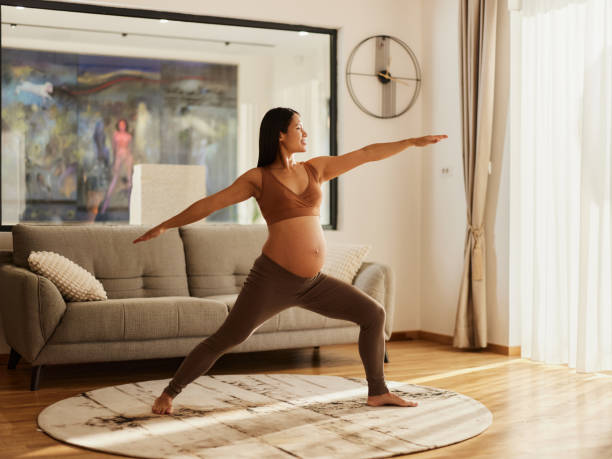
Here are some safe, gentle exercises:
- Areas of pelvic tilts to enhance the spinal alignment.
- Cat-cow will help to stretch the lower back.
- Consciousness poses of prenatal yoga are hip-opening.
- Walk slowly in order to keep flexible.
Move slowly, stop in case of an increase in pain. The exercises must not be uncomfortable. Pelvic muscles are important to ensure your pregnancy occurs without causing undue stress to the coccyx, and this can be achieved by stretching.
When to Seek Medical Help for Severe Coxis Pain
Although the majority of tailbone pain is normal during pregnancy, the pain may be a sign of a more serious concern, or even a case when professional help may be necessary.
- Numbness or Tingling
In case you feel the pins and needles or lack of sensation in your legs, feet, or in the saddle area, it may be a result of nerve compression (such as sciatica) that should be examined medically.
- Fever
When you experience a fever or feel hot in body temperature, it may be an indicator of an infection or pilonidal cyst, which must be treated independently of the pains of pregnancy.
- Inability to Walk
In case of such intense pain that limits your primary movement or makes it impossible to do regular activities, a pelvic floor health physical therapist can offer manual massage and specialized tapes.
Preventing Future Tailbone Discomfort During Your Pregnancy
To avoid progressive tailbone pain, it is frequently necessary to be proactive instead of being reactive. Habits, which are practiced daily but in a minimal way, can contribute to a significant difference in the long term.
Prevention measures involve:
- Sitting and standing with good posture.
- Prolonged sitting should be avoided.
- Using supportive shoes to alleviate stress in the spine.
- Take a pillow and lie on your side between your knees.
Unnecessary pressure on the coccyx can be decreased by remaining aware of body mechanics. Light exercises of hidden strengthening and stretching can also assist in supporting the spine and pelvis, despite the fact that your body keeps changing.
Final Thoughts
Tailbone pain during pregnancy can be painful, but it can be treated with proper care. Learning how posture, movement, and everyday lifestyle manipulate your body enables you to take viable action to relief.
With the right and appropriate support, attention to the signals of your body, and minor adaptations, you will be able to alleviate unpleasant feelings and preserve your mobility during pregnancy. Should the pain be extreme or chronic, medical advice is the sure way of having a safe and suitable treatment.