Between school runs, meal prep and the endless cycle of laundry, personal identity can quietly slip away. Hobbies that once sparked joy gather dust, and creative ambitions shrink to fit the margins of a packed schedule. Yet something interesting is happening across the UK in 2026: a growing wave of parents at home are carving out time for themselves, not with spa days or box sets, but with music.
More specifically, they’re sitting down at the keyboard. Adult learners are booking structured sessions, picking up sheet music and rediscovering the thrill of mastering something new. The emotional lift, the cognitive workout, the sheer pleasure of playing a favourite song from scratch: these rewards go far beyond simple entertainment.
This article explores why so many stay-at-home parents are choosing the piano as their creative outlet, how guided instruction accelerates their progress, and what the journey actually looks like when you’re squeezing practice between nap times and the school gate.
Why Are So Many Stay-at-Home Parents Turning to Piano Lessons?
Leaving the workforce, even temporarily, triggers a profound identity shift. The skills, social connections and personal creative outlets that once defined daily life fade into the background. For many parents, the result feels like losing a piece of themselves.
The piano offers a unique solution. Unlike a guitar that needs tuning or a drum kit that wakes the baby, a digital piano sits ready in the corner. You can play with headphones at 6 a.m. or during a toddler’s afternoon nap, no elaborate setup required. That accessibility makes it the ideal instrument for parents who operate on unpredictable schedules.
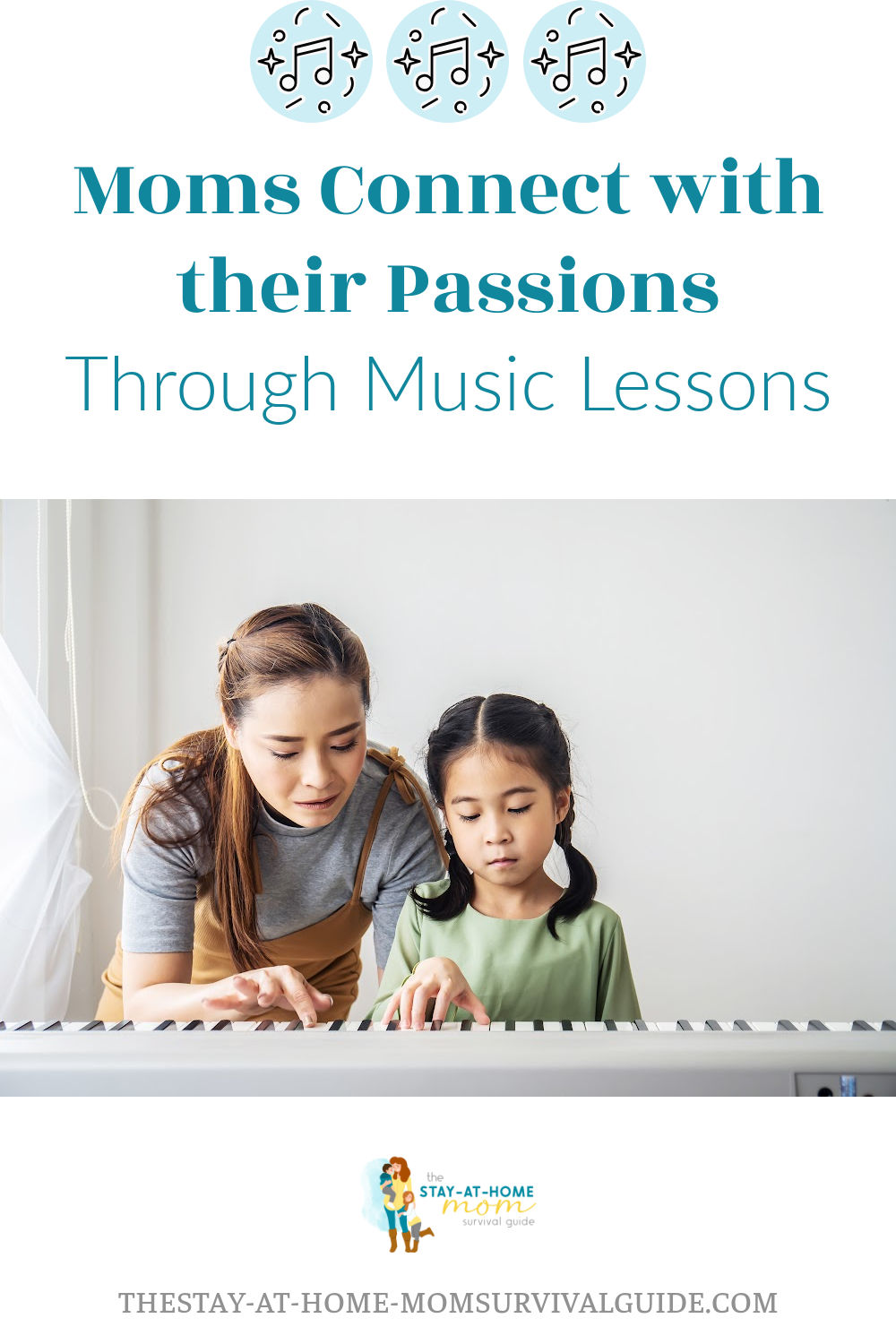
Working with a piano tutor adds something self-study simply cannot: structure, accountability and genuine adult conversation. When your day revolves around nursery rhymes and snack negotiations, a weekly lesson with a knowledgeable teacher becomes an anchor point. It’s your time, your goal, your progress.
The numbers reflect this shift. Online learning platforms report a sharp increase in adult beginner enrolments throughout 2025 and into 2026, with stay-at-home parents representing the fastest-growing demographic. The trend isn’t slowing down. If anything, flexible lesson formats and affordable digital instruments keep lowering the barrier to entry.
How a Piano Tutor Helps Parents Progress Faster Than Self-Teaching
Apps and YouTube channels can teach you where middle C lives. They can walk you through basic scales. But they cannot watch your hands, hear your timing or notice that your left wrist drops every time you attempt a chord change.
A dedicated tutor spots these habits in real time and corrects them before they become ingrained. Personalised feedback alone saves weeks of frustration. Beyond technique, a tutor builds a tailored lesson plan around your musical tastes, your available practice time and your specific goals, whether that’s playing Debussy or simply accompanying your child’s singing.
Motivation matters too. When nobody checks your progress, skipping a practice day turns into skipping a week. A tutor creates gentle accountability. They celebrate your wins, adjust the difficulty when you’re struggling, and keep the momentum alive during those inevitable plateaus.
Flexibility seals the deal. Most tutors in 2026 offer online sessions via webcam, evening slots and last-minute rescheduling. Progressive video tutorials and apps remain useful supplements, but they lack the bespoke guidance that adapts to your life in real time.

What Does a Typical Piano Learning Journey Look Like for a Busy Parent?
A realistic weekly schedule looks something like this: one or two lessons with a tutor, plus 15 to 20 minutes of daily practice. That’s it. No marathon sessions, no guilt about missed days.
Early milestones arrive faster than most beginners expect:
- Weeks 1 to 3 — Correct posture, hand position and reading basic notation on the treble clef.
- Weeks 4 to 8 — Simple melodies using both hands, basic chord shapes and elementary rhythm patterns.
- Months 3 to 4 — Easy arrangements of well-known songs, introducing dynamics and expression.
- Months 5 to 6 — Tackling a favourite piece with confidence, playing for family or friends.
The progressive approach keeps frustration low. You start small, build muscle memory, and layer complexity at a pace that respects your energy levels. Perfectionism has no place here. Consistency beats intensity every single time.
An unexpected bonus? Children in the household often catch the bug. They see a parent practising, hear familiar tunes drifting from the living room, and want to join in. Music becomes a shared family experience rather than another task on the parenting to-do list.
The Emotional and Mental Health Benefits of Reconnecting With Music
Playing piano demands a type of focus that temporarily silences the mental chatter of parenthood. Your brain can’t worry about tomorrow’s packed lunch while reading a tricky passage in the left hand. That enforced mindfulness acts as a pressure valve, releasing stress that builds up during chaotic days.
Beyond calm, there’s pride. Mastering a piece you once thought impossible rebuilds a sense of achievement that parenting alone doesn’t always provide. You’re no longer just someone’s mum or dad. You’re a musician, even a beginner one, and that identity shift matters enormously.
Cognitive science backs this up. Learning an instrument in adulthood strengthens memory, sharpens coordination and promotes neuroplasticity. Your brain literally forms new connections each time you practise. Few hobbies deliver such a measurable mental workout with so little equipment.
Social benefits round out the picture. Online forums for adult learners, local recital groups and even informal video-sharing communities give parents a network that exists entirely outside the school-gate circle. Music opens doors to friendships built around shared passion rather than shared postcodes.
Online vs In-Person Piano Tutor: Which Option Suits Stay-at-Home Parents Best?
Both formats work. The right choice depends on your daily constraints, your budget and how you learn best.
Advantages of an Online Piano Tutor
Online lessons remove the biggest obstacle for parents: leaving the house.
- No travel time, no childcare logistics. You learn from your living room while the little ones nap or play nearby.
- Costs tend to sit lower. You also access a wider pool of tutors across time zones, so finding a specialist in your preferred genre becomes easier.
- Many tutors record sessions, letting you revisit tricky passages between lessons without paying extra.
When an In-Person Piano Tutor Makes More Sense
Sometimes, a screen can’t replace physical presence.
- Hands-on correction of posture, finger curvature and pedal technique proves far more effective face to face.
- The personal connection with an in-person tutor often creates stronger accountability. Missing a lesson feels different when someone has travelled to your home.
- Parents who struggle to focus with household distractions around them benefit from the dedicated environment an in-person session creates, even if that environment is simply a quiet corner with the door closed.
| Factor | Online Tutor | In-Person Tutor |
| Convenience | Very high, no travel | Requires scheduling around visits |
| Cost per session | Typically £20–£40 | Typically £30–£55 |
| Technique correction | Good via camera | Excellent, hands-on |
| Flexibility | Easy rescheduling | Less flexible |
| Social connection | Moderate | Strong |

Practical Tips for Stay-at-Home Parents Starting Piano in 2026
Choosing the right tutor deserves careful thought. Look for someone with experience teaching adult beginners, not just children. Ask about their teaching style during a trial lesson. Do they focus on classical grades, popular songs or a blend? The answer should match your goals.
Budget wisely. A weighted-key digital piano (around £300 to £500) delivers a realistic touch without the cost or space demands of an acoustic upright. Free apps like Musescore and YouTube channels supplement paid lessons nicely, letting you revise between sessions without extra expense.
Set goals you can actually reach. “Play one new piece per month” beats “become concert-ready by Christmas.” Perfectionism kills momentum faster than a missed practice day ever will.
Create a small, dedicated practice space. Even a corner of the dining room with your keyboard and headphones sends a clear signal to the household: this is protected time. Encourage your partner and children to respect it. When the family sees you prioritising growth, they learn something valuable too, something no textbook teaches.
FAQ
Is it too late for a stay-at-home parent to start learning piano?
Absolutely not. The adult brain remains fully capable of acquiring new musical skills at any age. A skilled tutor adapts the pace, repertoire and expectations to suit complete beginners, making the process enjoyable rather than overwhelming.
How much does a piano tutor typically cost in 2026?
Online sessions generally range from £20 to £50 per hour, depending on the tutor’s experience and location. In-person lessons often cost slightly more. Many tutors offer discounted lesson packages for parents who book weekly slots in advance.
Can I learn piano effectively with just 15 minutes of practice a day?
Yes. Short, focused daily sessions build stronger habits than occasional long ones. A good tutor designs exercises that target your weak points efficiently, so every minute counts.
Do I need a real piano or is a digital keyboard enough to start?
A digital piano with weighted or semi-weighted keys works perfectly for beginners and costs a fraction of an acoustic instrument. Your tutor can recommend a suitable model based on your budget, available space and long-term ambitions.