As my teenagers grow into high school students, we take a team approach to their learning. I have always been a believer that kids have a lot to say about how they learn and how they like to learn. When they are young, we lead the way as adults, but as kids get to middle school age and high school age, they can participate in their curriculum planning.
This works for kids in traditional schools too. They choose their classes from a list. Often there are electives they can choose based on their interest or learning style. When you homeschool high school, this is the focus: learning style, strengths, future goals, career focused skills.
There are a few helpful resources for homeschooling high school I will share with you at the end of this blog post. First, though, I will share the overview of a high school woodworking course I put together for my son.
Turns out this homeschool woodworking course was as much fun for me as it was for him. Maybe even more fun for me! We both learned a lot together.
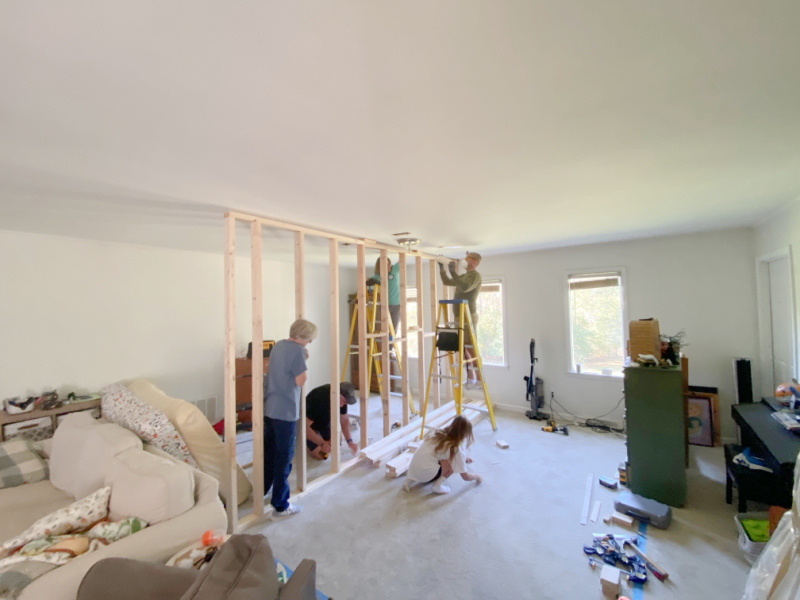
As part of our forever home plans, we already had renovation projects in the works. The plan was that my son would help with the building. This would teach him measurement, building to code (we added two bedrooms into an existing family room space), and safe use of tools as well as other woodworking skills.
So we already had projects planned to be used as part of his curriculum. But, I added in a few smaller projects to start with.
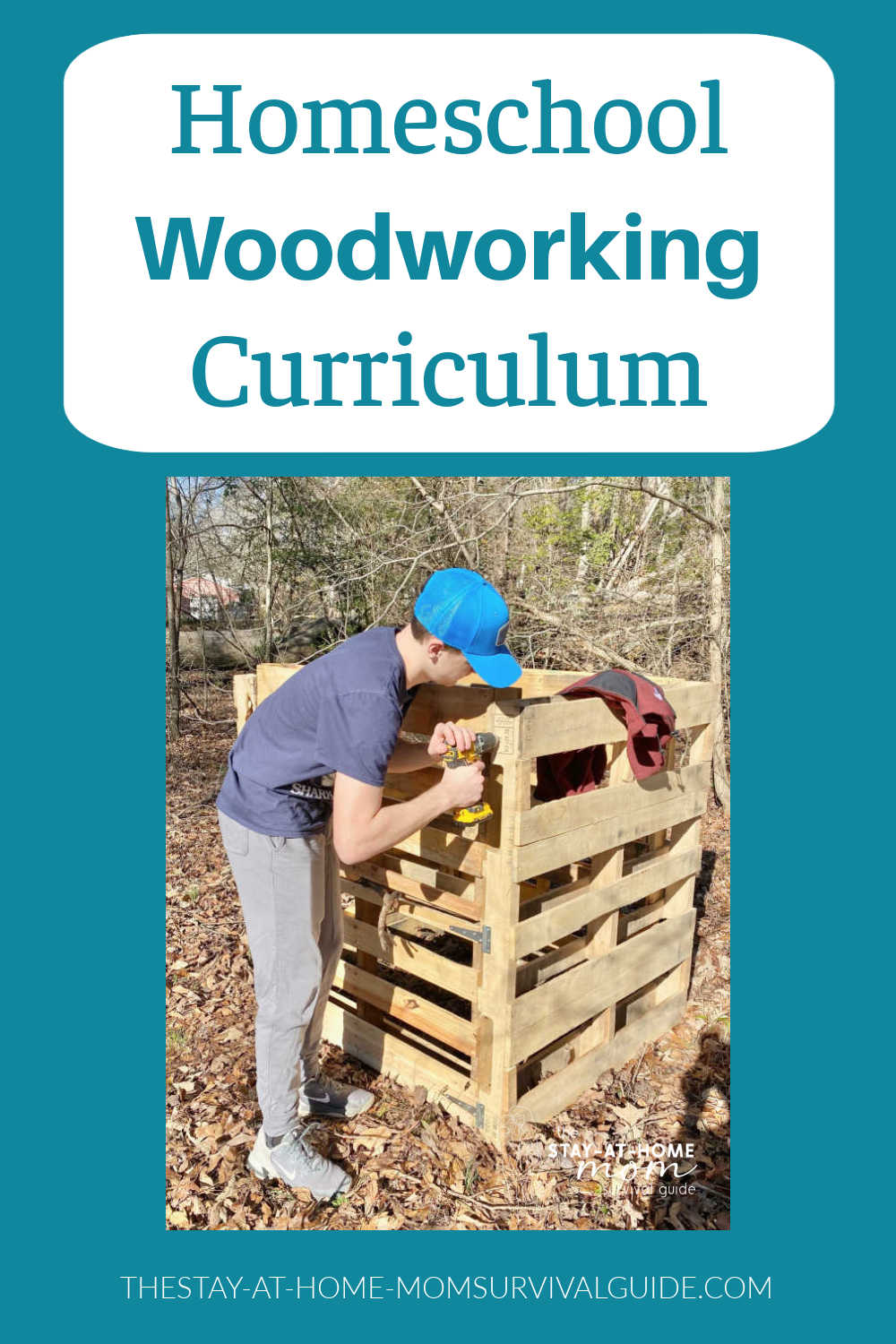
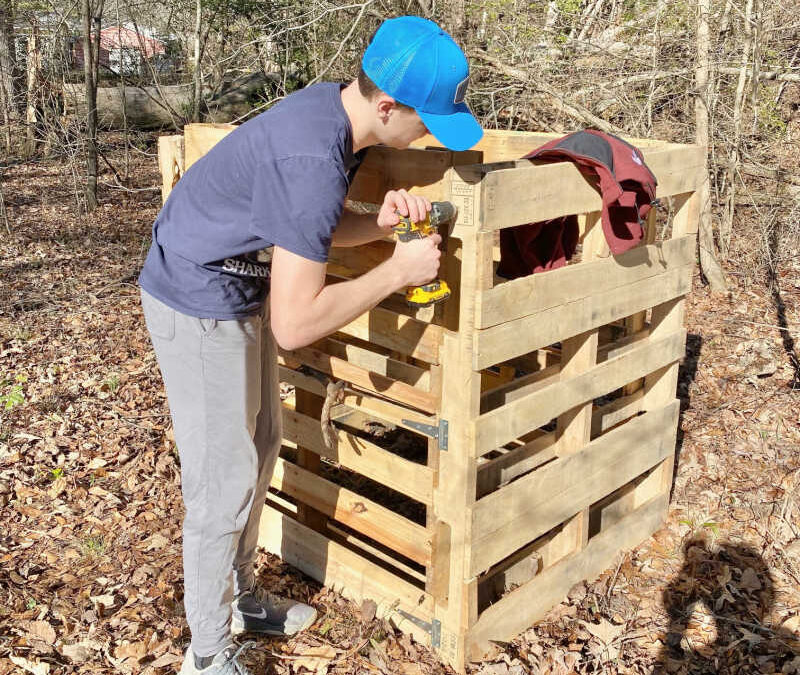
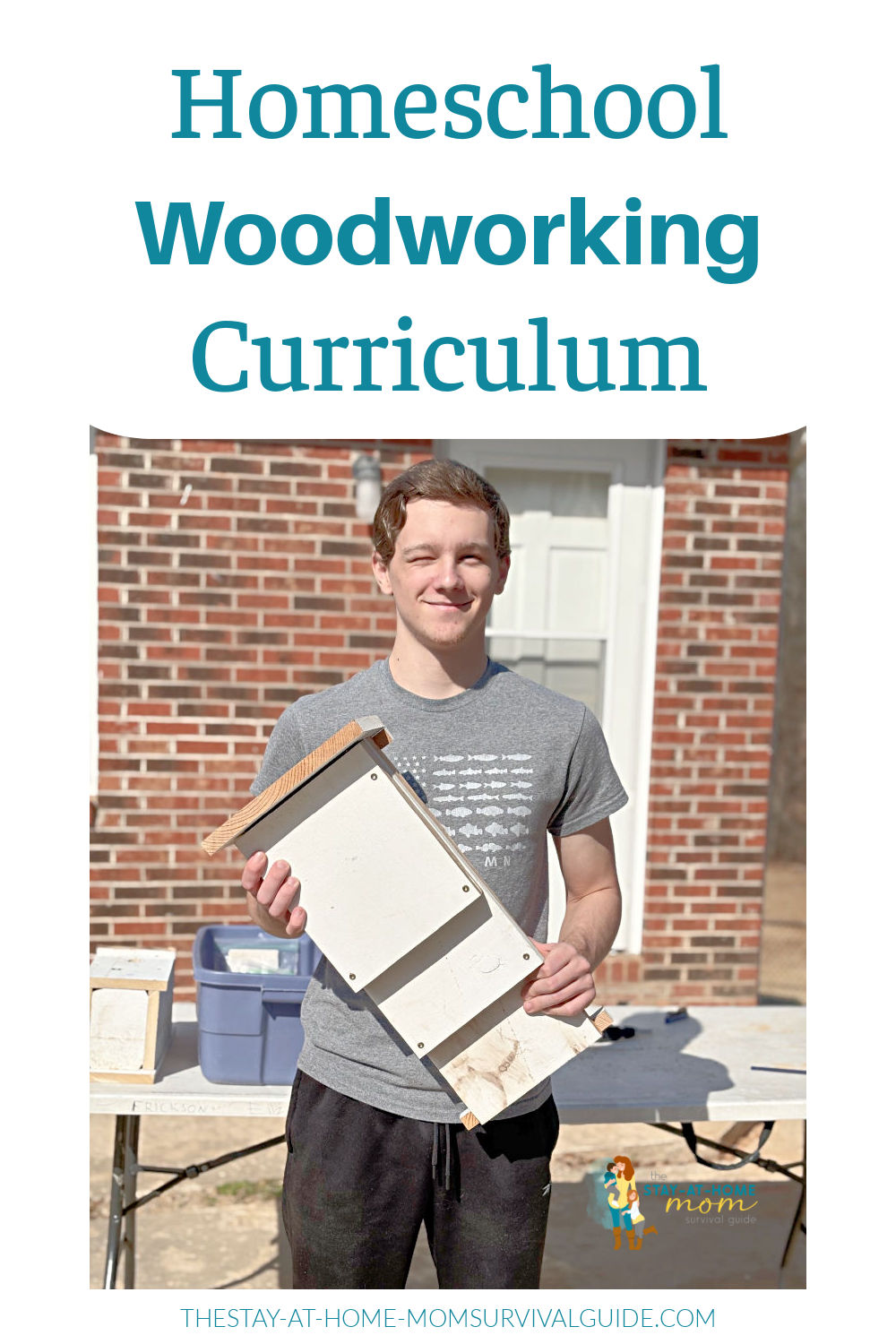
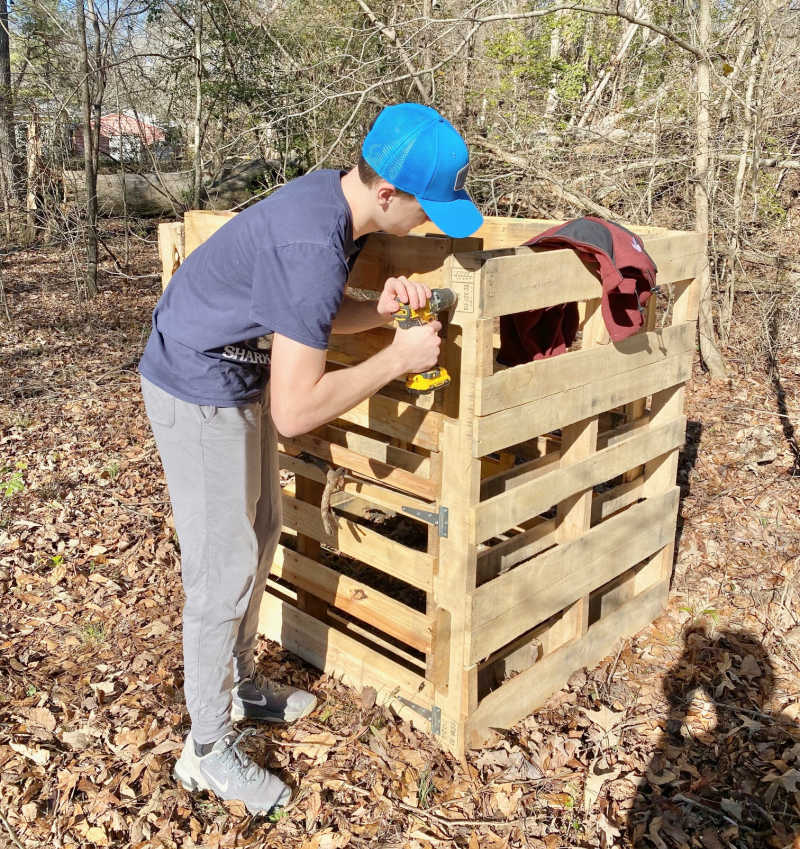
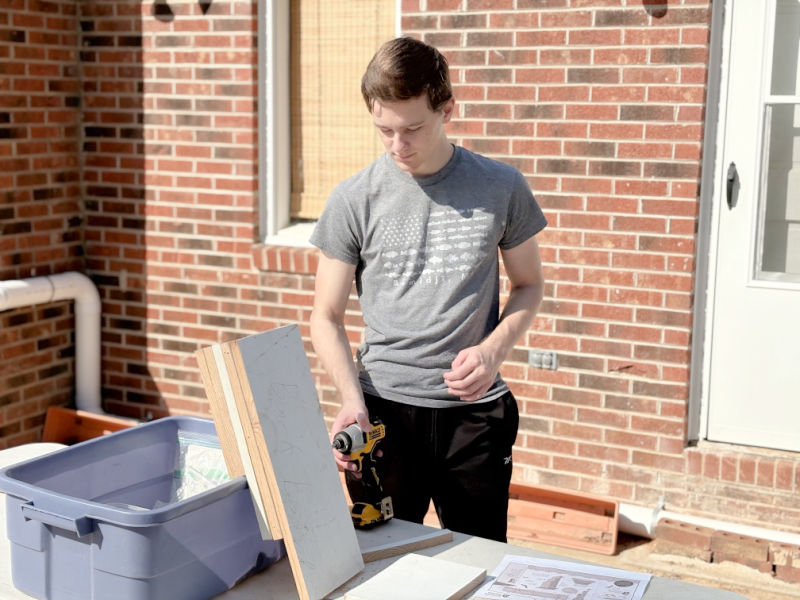
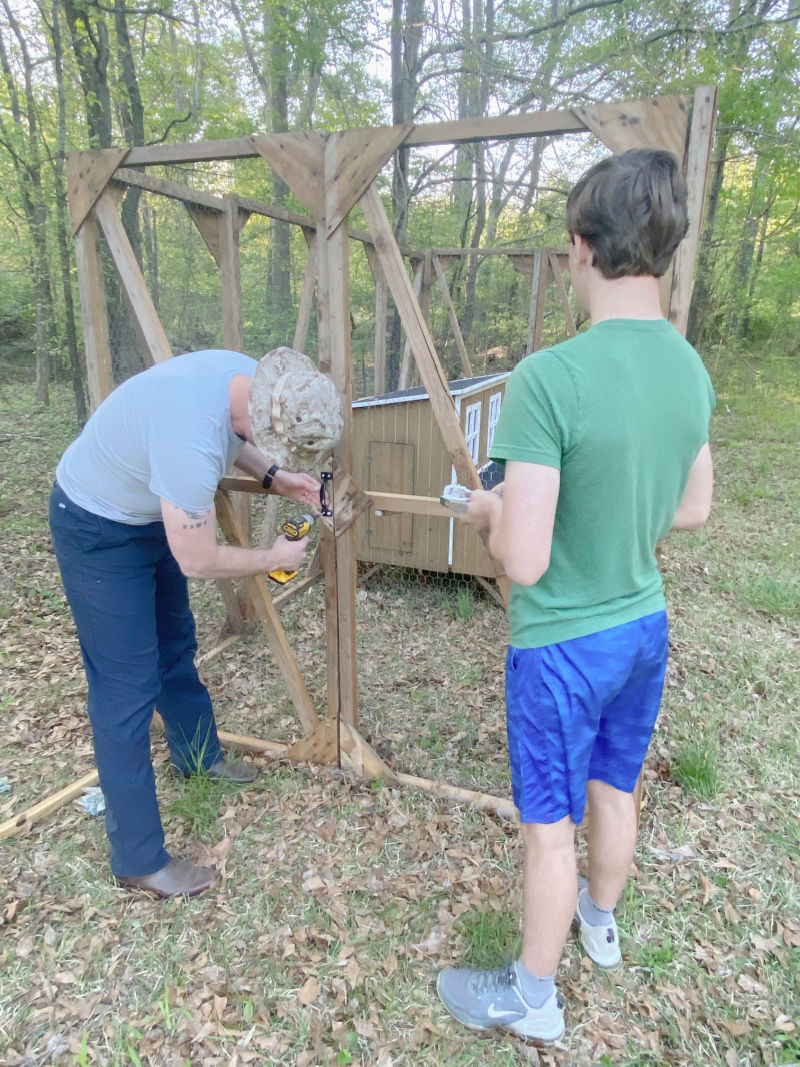
My son built a storage box, a bat house, helped create a pallet compost bin, a chicken run, and put together our dining room chairs and chicken coop. He also assisted on a home renovation project putting up walls and drywall.
I will share the curriculum overview, books we used as his textbooks as well as other options you can look at for implementing your own homeschool woodworking course at home.
There are free plans that you can access for building a woodworking curriculum for homeschool.
Homeschool Woodworking Curriculum Plan
We started with a course overview. It looked like this.
- Woodshop Safety
- Projects Overview
- Daily Readings
- Project One: Storage Box
- Project Review/Self-assessment
- Project Two: Pallet Compost Bin
- Project Review/Self-assessment
- Project Three: Bat House or Bird House
- Project Review/Self-assessment
- Project Four: Chicken Coop Kit
- Project Review/Self-assessment
- Project Five: Bedrooms addition/Building walls
The first day I went over the woodshop safety document. I found this for free online. I had my high schooler read it and summarize it for me. He wrote down the main safety points as a writing activity as well.
You can download the Wood shop safety document for free.
We also looked over the main textbook he would be using. This was an oldie but a goodie. In fact, my dad had this book when I was a kid and my husband bought it on Amazon so that we had a copy. He grew up with it at home too.
The Reader’s Digest Complete Do It Yourself Manual gives a good overview of using each type of tool plus mid-century modern projects in the back.
There are full woodworking curriculum books on Amazon, but we chose to use what we had. Some other woodworking books that may be helpful for study and project ideas are:
Carpentry & Building Construction
Skillshare Online Woodworking Classes
Woodworking Projects for High School Overview
In our woodworking curriculum, many of the projects were completed by more than my high schooler. With kids that range in age from 11 up to 17 at the time of writing this, I wanted to include all of them in this course. So, some projects my high schooler completed and sometimes we had all the kids together making their own wood projects.
The projects that we completed were:
Storage box – Plans are in the Reader’s Digest manual. This little storage box was a mini 6-drawer storage box.
Pallet compost bin – I tried to incorporate useful projects into this unit. So my son put together a compost bin made of pallets. He watched a quick YouTube video to see how it was put together. My husband brought pallets home from work, so the wood was free, and we bought some supplies to get it done. You can find cheap or free pallets on Facebook Marketplace if you do not have a pallet source.
Bat House or Bird House – The plans for both are available for free online. You can access the bat house plan here and the bird house plan.
Chicken coop kit – After the first two projects my son wanted to build something Lego-style and we were planning to start our mini farm. I bought a chicken coop kit on Amazon and he put it together. This gave him a break from measuring and cutting to going straight to construction. It allowed him to see how parts and pieces fit together in a different way.
Building a wall/Bedroom addition – I know this may not be possible for everyone. But, if you are not planning a major renovation project at home, try building a shed. That would give the same experience of building walls, using tools, etc. Building a playhouse for younger siblings would also be a fun way to explore woodworking too.
Woodworking Course Day-By-Day
Each day that my son worked on his woodworking homeschool elective course, he followed the same procedure.
- I assigned a daily reading in the textbook.
- He had to write a short paragraph summarizing what he read, or important points made in the reading.
- Then, he would work on a project. Each project took varied amounts of time to finish. Some days he could complete a lot of steps and others – like gluing together his storage box project – he had to complete one step and let it dry. It all taught patience in the process.
For each day’s reading, I coordinated the section of the book that covered tools he would be using for the current project he was working on. There were sections on specific woodworking skills too.
He did not read the entire book. That was not necessary for our course. So you can tailor the pages your child reads based on the projects they need to complete. I did have him read about each of the tools and many of the processes so he had a good overview of the basics of woodworking and construction.
Writing in Woodworking
After each project was completed, I had my student complete a self-assessment in writing. He also was able to give feedback on each project as far as what worked well and what problems he faced.
Each project led him to the next because he started to ask for specific types of projects. But, they all helped him learn how to use basic woodworking tools and complete woodworking skills.
If you want to follow a structured curriculum, you can explore this Full Woodworking Curriculum from Christian Light.
More Woodworking Project Ideas
Backyard Playhouses would be a fun family project to complete. Similar to a chicken coop or shed, the same skills are learned. Many tools are used so a thorough exposure to hammer, saw, and drill are achieved. Click to view multiple playhouse plans you can try.
Storage boxes are always useful. The one we made was very basic. It taught my high schooler how to measure, use a coping saw, and showed him that small projects are sometimes harder than big projects.
Sheds – So many of us can use a backyard shed. Buy a shed kit or free shed plan and use it as a project for homeschool woodworking.
Project kits – chicken coop, duck pen or a doghouse are also great project ideas for enhancing the hands-on learning in our homeschool woodworking elective curriculum.
Creative project options- pick an item that you need in your home. Maybe it is a picnic table, a garden bench or a compost bin. Work together to put it together. Problem solve and build it. That is where our inspiration on what projects to build came from: We needed certain things, so we built them.
Woodworking Teaches Patience
My high schooler learned that skills we sometimes think are simple like hammering, cutting and nailing end up being challenging. Because there is some human error involved, not every piece is cut precisely and not every project goes together smoothly like the plans make it seem.
Problem solving and adaptation is necessary in woodworking. This teaches quality skills to high schoolers and may guide them to pursue a trade like construction after graduating from high school. The exposure to this homeschool woodworking elective course was multi-disciplinary and was able to be used for multiple ages too.
Further Homeschool Highschool Resources
Freedom Homeschooling has a large resource of free electives on her site. If woodworking is not an interest for your high schooler, take a look at the other options. You can let your child’s interest lead.
School Choice options depending on your homeschool goals and style.
If you are looking to try something new this homeschool year, read the book A Parent’s Guide to School Choice. I wrote it to be a resource of multiple homeschool options for any parent. You can even use the handy checklist in the appendix to match your family’s values and your child’s learning strengths and needs to tailor their school option to best support their academic goals.
You always have more school options than you think. The book shares many that can help you homeschool high school successfully.