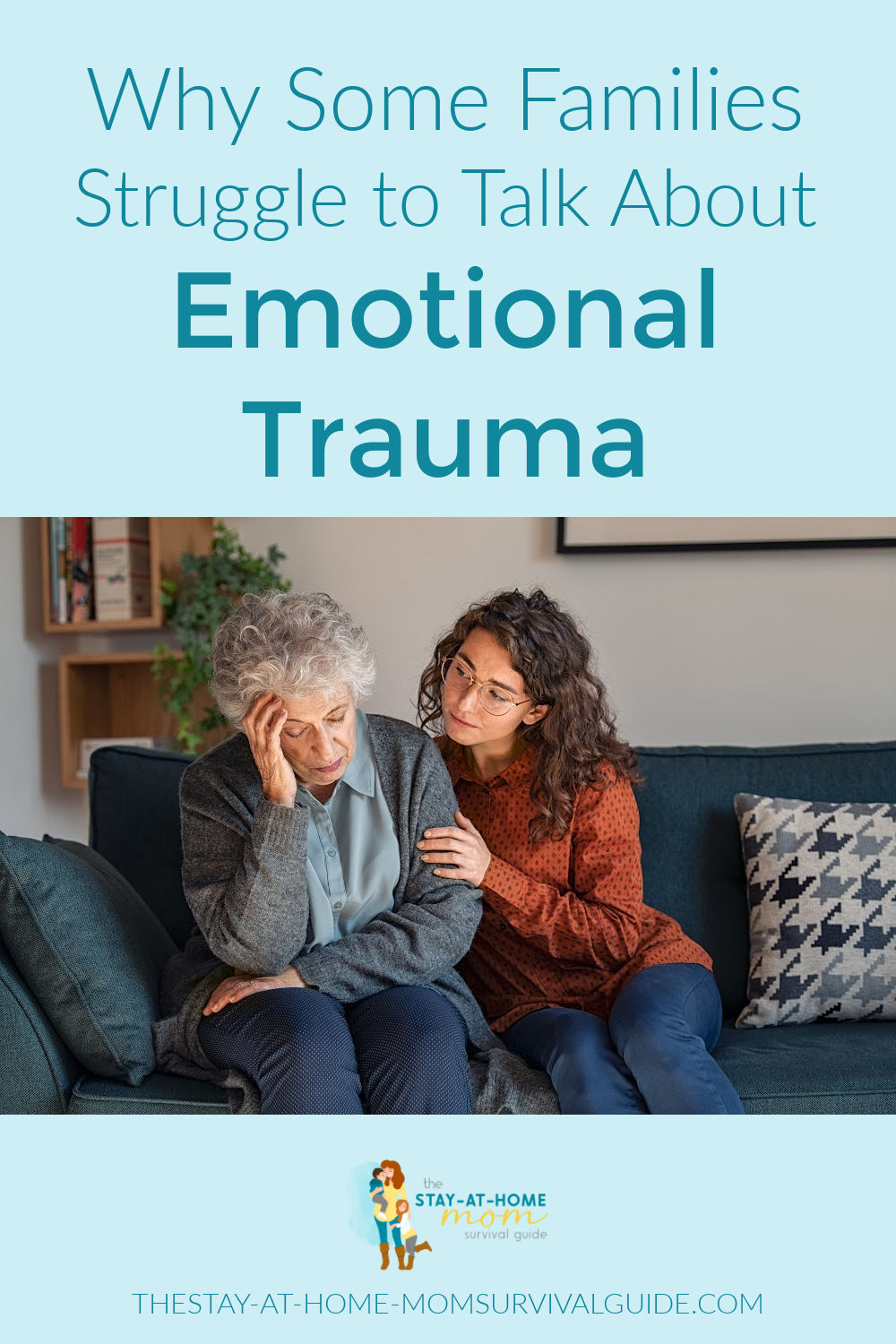

For many people, emotional struggles were never openly discussed growing up. Feelings like anxiety, grief, emotional exhaustion, or childhood trauma were often treated as things to quietly “push through” rather than talk about directly. In some families, especially in more traditional environments, emotional resilience was strongly valued, but emotional openness was not always encouraged in the same way.
As a result, many adults today are beginning to recognize how certain beliefs about mental health and emotional hardship may have shaped the way they process stress, relationships, and healing.
Emotional Silence Often Starts Early
In many households, children learn emotional habits long before they fully understand them. Some grow up hearing phrases like:
- “Stay strong”
- “Don’t dwell on it”
- “Keep family business private”
- “Other people have it worse”
While these statements are not always said with harmful intentions, they can sometimes teach people to minimize their own emotional experiences over time.
Many adults later realize they became skilled at functioning outwardly while still struggling internally. This is one reason conversations around trauma myths in southern culture and generational emotional patterns have become more common in recent years.
Strength and Emotional Suppression Are Not the Same Thing
One of the biggest misunderstandings surrounding emotional health is the idea that acknowledging pain somehow reflects weakness. In reality, emotional suppression often creates long-term stress rather than resolving it.
In some families, emotional endurance became deeply connected to identity, responsibility, or survival. That mindset can make vulnerability feel uncomfortable, even when support is genuinely needed. People who spend years avoiding emotional conversations may later experience things like:
- Chronic stress
- Anxiety
- Emotional numbness
- Burnout
- Difficulty communicating in relationships
Therapy Stigma Still Exists in Many Communities
While conversations around mental health have become more open over the last decade, therapy stigma still exists in many communities and family environments. For some people, therapy was historically viewed as:
- Something only needed during a crisis
- A private issue not discussed publicly
- A sign that someone “couldn’t handle things”
- Unnecessary compared to faith or family support
Today, attitudes are slowly changing, especially among younger generations. More people are recognizing that emotional health deserves the same attention as physical health, and that seeking support does not automatically mean something is “wrong” with a person.
Generational Patterns Can Be Difficult to Recognize
Discussions around southern trauma myths often focus on how cultural expectations around toughness, privacy, and emotional endurance can sometimes make healing conversations more difficult. One complicated part of emotional trauma is that many patterns become normalized inside families. People often repeat communication styles, coping mechanisms, or emotional habits they witnessed growing up without fully realizing it.
For example, some families may avoid conflict entirely, while others may struggle to express affection, vulnerability, or emotional reassurance openly. These patterns can quietly affect parenting styles, relationships, and self-esteem across multiple generations.
Emotional Awareness Can Change Parenting Dynamics
Many parents today are becoming more intentional about emotional communication inside the home. Instead of encouraging children to simply “toughen up,” more families are focusing on helping children identify emotions, express stress in healthy ways, and feel emotionally safe discussing difficult experiences.
That shift does not mean resilience no longer matters. It simply reflects a growing understanding that emotional honesty and emotional strength can exist together. For many adults, learning these skills later in life can also create greater self-awareness in relationships, parenting, and personal well-being.
Family culture, community expectations, and generational beliefs all influence how people view emotional struggles and healing. In many cases, silence around trauma was not necessarily caused by a lack of care, but by learned beliefs about strength, privacy, and survival. As conversations around mental health continue evolving, more people are beginning to challenge older ideas surrounding emotional suppression and therapy stigma. For many families, even small shifts toward more open communication can create healthier emotional patterns for future generations.