

Trying to conceive can bring a mix of excitement, anticipation, and questions. You might feel ready to start a family but find yourself wondering when the best time to try actually is. Menstrual cycles are not always as predictable as calendar calculations suggest, and understanding your body’s natural rhythm can make the process feel less confusing.
Learning a few basics about ovulation, paying attention to physical changes, and keeping track of your cycle can help you make more informed decisions without turning every month into a source of stress.
What Happens During Ovulation?
Ovulation is the stage of the menstrual cycle when an ovary releases a mature egg. The egg travels into the fallopian tube, where fertilization may occur if sperm are present. Because the egg usually remains viable for only about 12 to 24 hours, timing matters when trying to conceive.
However, the fertile window is longer than a single day. Sperm can survive in the reproductive tract for several days under favorable conditions, meaning pregnancy may occur following intercourse before ovulation as well as around the time the egg is released.
For many women, ovulation occurs roughly two weeks before the next menstrual period, rather than on the same numbered day of every cycle. Someone with a 28-day cycle may ovulate around day 14, but this is only an estimate. Cycle length, hormonal changes, illness, stress, and other factors can influence timing.
Simple Ways to Recognize Your Fertile Days
Your body may offer clues that ovulation is approaching. One commonly noticed change involves cervical mucus. Outside the fertile window, discharge may be relatively thick or limited. As ovulation approaches, it often becomes clearer, slippery, and stretchy, sometimes resembling raw egg whites. This change helps create conditions that support sperm movement.
Some women also notice a mild ache on one side of the lower abdomen, increased sexual desire, or breast tenderness. These experiences vary considerably, and not everyone notices recognizable symptoms. Their presence or absence alone cannot reliably confirm ovulation.
Another option is to use ovulation predictor tests, which detect a rise in luteinizing hormone (LH) that typically occurs before the egg is released. Basal body temperature tracking can also be useful. A small, sustained temperature increase generally occurs after ovulation, making it more helpful for identifying a pattern retrospectively than predicting the fertile window in advance.
Combining observations over several cycles can provide a clearer understanding than relying on any single sign.
How Cycle Tracking Can Make Planning Easier
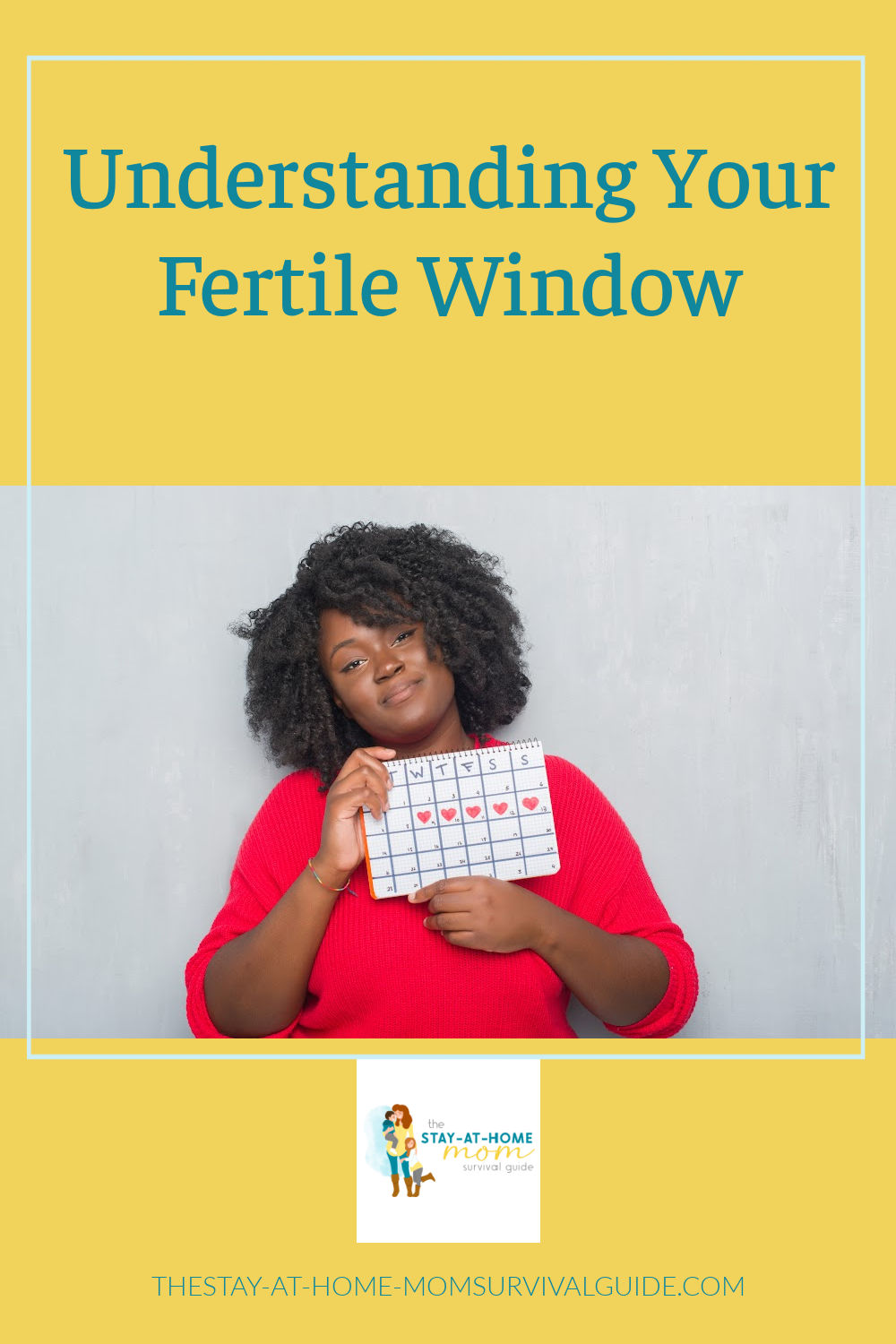
When daily life revolves around work, children, household responsibilities, and countless small tasks, remembering cycle dates can easily become an afterthought. Keeping a simple record gives you a place to collect information instead of trying to recall everything from memory.
An ovulation tracker can help organize period dates, estimate the fertile window, and identify recurring patterns. Depending on the tool, tracking may involve calendar calculations, recorded symptoms, or hormone measurements. The type of information available matters: a calendar prediction estimates when ovulation might occur, while hormone testing can provide additional evidence of changing fertility hormones.
For a useful record, note the first day of each period, your typical cycle length, any changes in cervical mucus, and the results of ovulation tests if you use them. After a few months, you may begin to recognize patterns that were difficult to see before.
Taking Care of Yourself While Trying to Conceive
Planning a pregnancy can gradually become an exercise in checking dates, comparing symptoms, and waiting for answers. It is understandable to want certainty, but conception does not always happen according to a timetable.
Focus on habits that support your general health. Eating balanced meals, getting enough sleep, staying physically active, and avoiding smoking can contribute to well-being before pregnancy. It is also advisable to discuss folic acid supplementation, medications, existing health conditions, and any necessary vaccinations with your healthcare provider before trying to conceive.
You do not need to interpret every sensation as a possible pregnancy sign or monitor every detail of your cycle perfectly. Choose a tracking approach that fits comfortably into your routine, and allow yourself breaks from fertility-related information when you need them.
If you are under 35 and have been trying to conceive for 12 months without success, medical guidance is generally recommended. If you are 35 or older, seeking advice after six months is commonly recommended. Earlier evaluation may be appropriate if you have irregular or absent periods, known reproductive health concerns, or other reasons to suspect fertility difficulties.
Making Room for Patience and Perspective
Understanding your fertile window can help you approach conception with greater awareness, but it cannot remove every uncertainty. Some months will be easier to interpret than others, and an unexpected cycle does not automatically mean something is wrong.
Treat the information you gather as a way to understand your body, rather than another responsibility you must manage perfectly. Keep useful records, ask questions when something concerns you, and remember that support is available if the process becomes overwhelming.
The goal is not to control every part of conception. It is to make informed choices, care for yourself along the way, and give yourself room to navigate the experience one cycle at a time.


Clear guide to the fertile window. Framing cycle tracking around conception planning and symptom management in one place makes the practical steps easier to follow.
Clear guide to the fertile window. Framing cycle tracking around conception planning and symptom management in one place makes the practical steps easier to follow.
Thank you for explaining the fertile window without making it overwhelming. The mix of excitement and questions you describe at the start is exactly how it feels, and a practical guide like this helps a lot.
Thank you for writing this so gently. Trying to conceive can feel stressful, and the advice to learn the basics and watch for physical changes without turning every month into a source of stress is wise. A helpful guide for many women.
I am glad it was helpful.
Really useful overview. Knowing that ovulation is when the ovary releases a mature egg, and that the window around it is short, takes a lot of the guesswork out. Paying attention to physical changes rather than relying only on a calendar is good advice.
I am so glad it was helpful.
Thanks for explaining why the fertile window lasts several days even though the egg is only viable for 12 to 24 hours. The part about sperm surviving for days makes it much clearer why timing before ovulation matters. Tracking physical changes alongside the calendar sounds far more reliable.
Very clear explanation. The point that ovulation is usually about two weeks before the next period, not on a fixed day 14, is something a lot of couples don’t realise when they rely on calendar apps. I also appreciate the reminder not to turn every month into a source of stress.