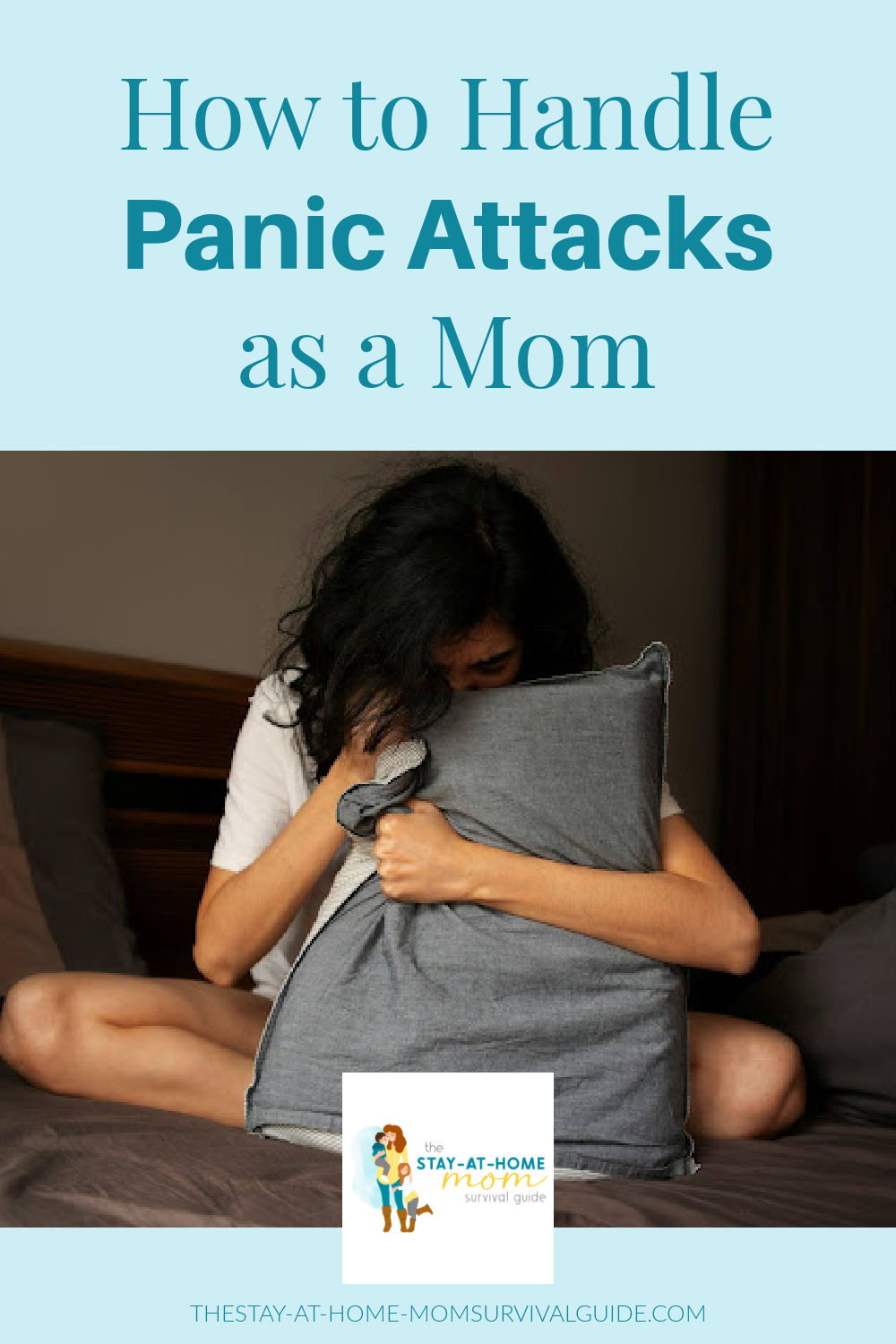

Your heart is racing, your skin is suddenly drenched in cold sweat, you can’t breathe, and there’s that feeling that something horribly wrong is about to happen. You’re home alone with the kids, and you feel dizzy or numb. Are you having a heart attack? Is this how it all ends?
Within minutes, you start to calm down, and the heavy cloud of fear and anxiety is lifted. All is good again with the world, and your babies smile like little angels. Yet, here you are, trying to understand what just happened and why your body suddenly threw a tantrum.
Chances are, you’ve just experienced one of the most confusing and frightening experiences of your life: a panic attack. It can happen to anyone, but moms are more predisposed to it. So, let’s see what it means to experience such an episode and what you can do to stay in control.
What’s a Panic Attack and Why Am I Having One?
Despite it being a horrible experience, isolated panic attacks are nothing more than a misfiring of your body’s fight or flight system. The brain is telling you to be very afraid without any clear reason or cause.
That being said, you shouldn’t just ignore it. If you had a panic attack, it’s best to talk to your doctor about it, especially if it’s a repeat experience. However, you shouldn’t be too scared for your health. Women are nearly 2.5 times more likely than men to have such episodes, and mothers are more prone to them.
Anxiety disorders tend to cluster during childbearing years, and the burnout of motherhood can be a triggering factor. Your mental health may take a hit during pregnancy and the post-partum period, and the lack of consistent sleep right after doesn’t help.
What to Do to Go Through It
During a panic attack, it can feel like you have no control over your body or the situation, but if you learn to recognize the signs, you can prepare in advance. With the right technique, you can even prevent the attack altogether.
Here are a few doctor-recommended methods to alleviate or stop the sensations:
1. Breathing Techniques
During an episode, your breathing is shallow and rapid, causing dizziness and numbness. By controlling your breathing, you stimulate the vagus nerve, which triggers the parasympathetic nervous system to slow the heart rate and lower blood pressure.
You can try several types of breathing exercises, but Box Breathing is one of the easiest to remember. Here’s how to apply it:
- Inhale: Breathe in through the nose for a count of 4
- Hold: Retain the breath for a count of 4
- Exhale: Release slowly through the mouth for a count of 4
- Hold: Keep the lungs empty for a count of 4
Cycle through these steps until the heart rate stabilizes.
2. Get a Companion
If you’re diagnosed with a panic disorder, you may need a bit of extra help to weather the attacks. A furry companion, like a service dog trained for psychiatric conditions, can be a wonderful addition to the family and a boost for your mental health.
These pooches are trained to detect the biochemical or subtle physical changes that precede a panic attack, so they can alert you even before you’re aware of the signs. This gives you precious time to take your medication or make sure the kids are safe before the attack hits.
3. Be Present and Mindful
During panic, the amygdala (the brain’s fear center) is hyperactive, while the prefrontal cortex (the rational, logical center) is largely offline. By grounding yourself in the present and paying attention to your surroundings, you force the brain to process logical, sensory data.
Do simple tasks such as counting your kids’ toys, identifying smells, or paying attention to the sounds outside. The trick is to shift neural activity back toward the brain’s rational centers and damp down the fear response.
Live Your Life
Don’t let fear stop you from enjoying motherhood. Learn to recognize your triggers and find ways to stay in control during episodes. The more you learn about panic attacks, the better you’ll be able to weather the storm and live your life.