

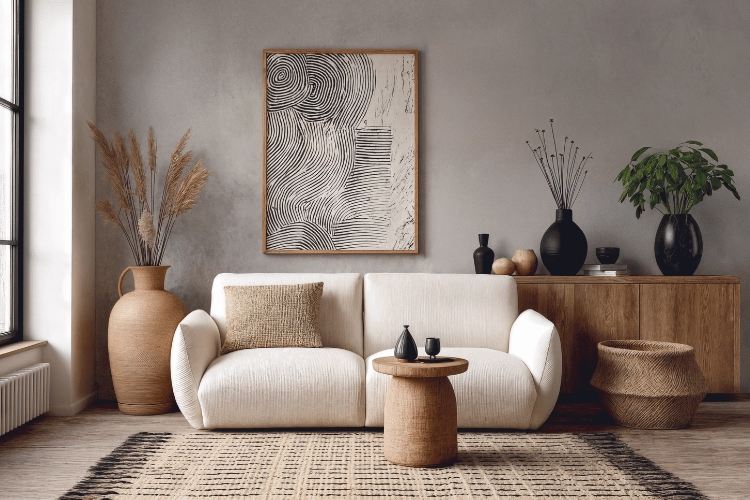
Photo by Alexroz from Canva.
A beautiful home doesn’t have to cost a fortune. It’s easy to scroll through pictures of perfectly decorated living rooms and feel like your own space needs an expensive makeover. However, some of the most welcoming homes are created with simple DIY decor changes and a little creativity.
For stay-at-home moms, decorating also needs to be practical. Between children’s toys, household chores, and everyday family activities, keeping your home looking lovely can feel like another job on your list.
The good news? You don’t need new furniture or a professional interior designer to make a difference. From rearranging what you already own to choosing affordable decorative accessories, there are plenty of ways to refresh your surroundings without stretching your household budget.
Here are some practical ideas to get started.
Start by Rearranging What You Already Have
Before buying anything new, take another look at your existing furniture and decorations. Sometimes, changing where things sit can make a room feel completely different.
Try moving your sofa to another wall, shifting an armchair closer to the window, or swapping decorative accessories between rooms. You might discover that a lamp from your bedroom looks better in the living room, while an old side table could find a new purpose beside your favorite reading chair.
A few other ideas worth trying include:
- Move furniture away from windows to let more natural light inside.
- Remove unnecessary decorations from crowded shelves.
- Group smaller accessories together rather than spreading them everywhere.
- Rearrange cushions and throws to create a fresh look.
Don’t feel pressured to fill every empty corner. Giving your furniture and decorations a little breathing room can make your home feel more spacious and organized.
Give Your Walls a Fresh Look
Walls occupy a large part of every room, so even small changes can have a noticeable effect.
If your walls look tired, a fresh coat of paint can make them feel cleaner and brighter. You don’t necessarily need to repaint an entire room, either. One carefully chosen accent wall can give the space a different personality.
If painting isn’t an option, consider creating a gallery wall using family photographs, children’s artwork, or pictures you’ve collected over the years. You can reuse old frames by painting them the same color to create a coordinated arrangement.
For a budget-friendly gallery wall, lay your frames on the floor first and experiment with different arrangements. Once you’ve found a layout you like, trace the frames onto paper and tape the templates to the wall before hanging anything.
This simple trick helps you avoid unnecessary holes and crooked arrangements.
Decorate With Affordable Flowers and Accessories
You don’t need expensive artwork or designer ornaments to make your home feel inviting. Small decorative pieces can bring warmth and personality to an otherwise ordinary room.
Flowers are particularly useful because they add color without requiring major changes to your existing decor. A simple glass vase filled with greenery can brighten a kitchen counter, while a few artificial stems can bring color to an entryway that receives little sunlight.
Retailers such as Jamali Garden offer decorative items including vases, candle holders, and artificial flowers that can work in different rooms.
If you’re looking for inspiration, browse www.jamaligarden.com for ideas on using floral arrangements and decorative accessories around your home.
The trick is knowing when to stop. Rather than filling every available surface, choose a few pieces that complement each other. For example, you could place a small vase beside a stack of books on your coffee table or arrange candle holders on a dining room shelf.
Jamali Garden also carries different vase styles, making it possible to consider materials and finishes that suit your existing furniture. Remember to keep fragile decorations and candles away from areas where young children can reach them.
Make Your Home Feel Cozy With Textiles
One of the easiest ways to change how a room feels is through soft furnishings.
Cushions, blankets, curtains, and rugs introduce texture and warmth without the expense of replacing furniture. If your sofa looks a little tired, try changing its cushion covers instead of buying a replacement. Choose colors that work with your existing furnishings so the room feels coordinated.
You can also drape a soft throw over an armchair or place a washable rug in the living room to make the space more comfortable for family activities. For homes with young children, practicality matters just as much as appearance.
Look for machine-washable fabrics, darker patterns that disguise minor stains, and materials that can handle regular use.
Before purchasing anything, check your cupboards. You may already have spare pillowcases, blankets, or curtains that could work beautifully in another room.
Use Lighting to Create a Welcoming Atmosphere
Lighting can completely change the mood of a room, yet it’s often overlooked during budget decorating projects.
Start by making the most of natural light. Open curtains during the day, clean your windows, and avoid placing bulky furniture directly in front of them. Mirrors can also help brighten darker spaces by reflecting available light.
In the evening, use table lamps or floor lamps to create a softer atmosphere instead of relying entirely on bright overhead lighting. You don’t have to purchase several new lamps. Moving an existing lamp to a different corner may be enough to make your living room feel more comfortable.
If you want additional warmth, battery-operated candles provide a gentle glow without an open flame. They’re particularly practical in family homes where little hands are constantly exploring.
Refresh Your Home With Simple DIY Projects
DIY decorating doesn’t have to involve complicated tools or expensive supplies. Some of the most satisfying home improvements come from giving old belongings a second chance.
An outdated wooden stool might look lovely after sanding and repainting. An unused jar could become a container for flowers, while leftover fabric might work as a decorative cushion cover.
You could even involve your children in suitable projects, such as painting picture frames or creating artwork for their bedrooms. Before beginning, choose projects that match your available time and skills. Check that paints and materials are suitable for their intended use, especially around children.
It’s also worth setting a spending limit for supplies. A DIY project stops being economical when materials cost more than buying a finished item. Focus on small improvements you can complete without taking over the entire house.
Final Thoughts
Making your home beautiful doesn’t mean following every decorating trend or spending money you would rather save for your family. Often, the biggest difference comes from paying attention to the little things: comfortable furniture arrangements, fresh-looking walls, thoughtful decorations, and good lighting.
Start with one room and identify what bothers you most. Maybe the shelves look crowded, the sofa needs color, or the space feels a little dull. Choose one affordable improvement, see how it changes the room, then move on to another project.
Most importantly, remember that your home should work for the people living in it. A beautiful family home isn’t one that looks perfect every minute. It’s somewhere everyone feels comfortable, relaxed, and happy to spend time together.