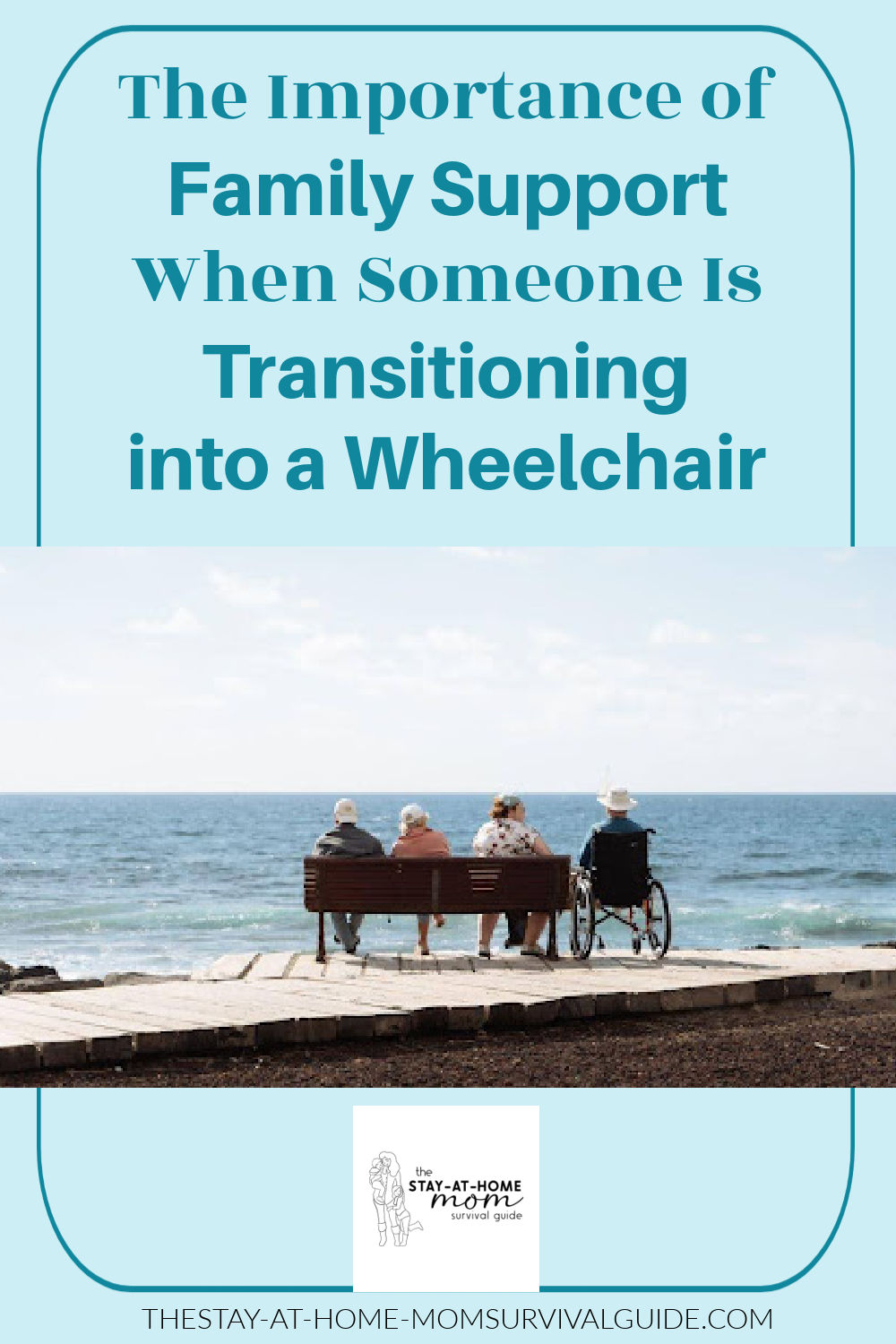

Photo by Daria Agafonova on Pexels
When a family member starts using a wheelchair, it impacts everyone in the family. The physical change is visible. The emotional shifts are not as apparent but are equally important. Your family support in the months directly shapes your loved one’s adaptation and sense of self.
It Is More Than a Mobility Change
A wheelchair alters a person’s interaction with the environment. Limited mobility also affects the amount of energy needed to perform everyday activities. For someone who has recently experienced a spinal cord injury or a progressive neurological condition, the wheelchair often arrives alongside grief and a significant loss of control.
You might see your loved one cycling through anger, withdrawal, or even a forced cheerfulness – all of these are normal reactions. The psychological adjustment period after a major mobility change generally lasts for 6 to 18 months, and the quality of social support received during this period is one of the strongest predictors of long-term well-being.
Ways to Adapt The Home Environment
The physical environment should be addressed before your loved one returns home from the hospital or rehabilitation facility. According to ADA, standard doorways must be 28 to 30 inches wide. Most manual and power wheelchairs require a minimum of 32 inches to maneuver through a doorway – but 36 inches is more convenient for everyday use. Things that were once out of the way, like rugs or furniture, are now barriers that were not apparent.
A certified aging-in-place specialist or occupational therapist can do an assessment at home and make specific recommendations. Some typical modifications include installing grab bars in bathrooms, a roll-in shower, a shower bench, lowering countertops if possible, and changing the furniture layout to provide turning radius space. Many of these changes are inexpensive, and some are covered by Medicare or supplemental insurance when prescribed by a physician.
Learning to Operate the Equipment Together
When a family member is using a new wheelchair, especially a folding chair or an electric wheelchair with elevating seat features, it is important for both of you to understand how it works. If the rehabilitation team allows, go to training sessions with your loved one. Know how to operate a manual chair safely over curb cuts, recline a tilt system, and conduct simple maintenance checks, including tire pressure and battery charge. This common knowledge is used for two things. It means that you can be there when you’re needed to assist them competently, and it means that you can have an informed conversation with your loved one about their equipment, making it a normal tool to use and not an awkward thing to be around.
The Difference Between Helping and Taking Over
A common mistake that families make is doing too much for their loved ones. It is difficult to watch someone you care for struggle with something you consider easy. But when someone intervenes on their own, they deprive the person of their independence and send the wrong message that the person is no longer able to do that.
Your role is to be available, not to take over. Ask before assisting. Allow the loved one to do some things, even if you can do them more quickly. The goal is their independence.
Emotional Support and Communication
Your loved one will have days when frustration surfaces openly. They might feel angry about what they have lost, afraid of what may happen, or sad about things that can no longer happen the same way. You will want to say, “It’s okay,” or “There are good things about it.” Resist that instinct.
In those moments, what people need is to be heard, not redirected. Sit with it, accept it, don’t dismiss it, don’t minimize it. “At least you can still…” is a statement that is more likely to close off honest dialogue. It’s better to say “that sounds genuinely exhausting” or “I understand why that’s frustrating.”
One of the most predictable outcomes of a significant mobility transition is social withdrawal, which rapidly accumulates. If going out takes more preparation and more effort, it’s easy for your loved one to just stop going. Your family can play a role in reversing this trend. Research this together. There are wheelchair-friendly trail directories and adapted recreation programs available in many cities. There are resources most families don’t know about, such as Disabled Sports USA and local independent living centers. Two or three routine social activities, even small ones, give structure and help cut down on feelings of isolation.
Don’t Forget to Take Care of Yourself
Caregiver burnout is real. If you are the primary caregiver, you are absorbing a significant amount of emotional and physical labor, and neglecting your own needs does not do you or your loved one any good. It depletes your capacity to be present for them over the long term. Build in time for yourself and connect with other family caregivers through support groups, either locally or online. The National Alliance for Caregiving and AARP both maintain caregiver resources that include practical guides and community connections. Checking your own health is not abandoning your loved one; it is sustaining your ability to show up consistently.
Conclusion
Family support for a wheelchair transition is not a one-off action. It is a long-term commitment to being present and honest over months and years. The families that do this best are not the ones that get it right from the beginning. They are the ones who remain curious and treat the person in a wheelchair as fully capable of living a meaningful life.