
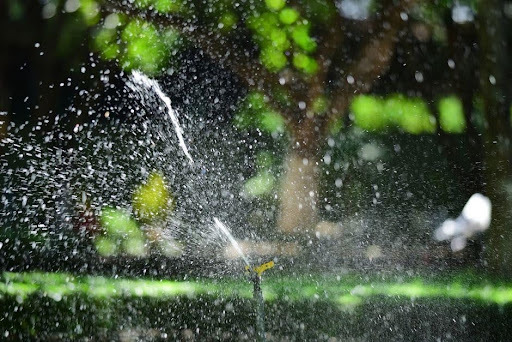
If you live in Tampa, your sprinkler system works harder than you might think. Heat, sandy soil, frequent rain, and fast-growing lawns can create a weird mix: grass that looks soaked in one spot and thirsty in another. A small irrigation issue can hide for weeks, then show up as brown patches, soggy soil, or a water bill that feels personally insulting. Catching the problem early saves money, time, and your weekend.
Uneven grass is often your first warning sign
Your lawn usually tells on your sprinkler system before the hardware does. If one area looks green and healthy while another turns dull, crispy, or patchy, uneven watering is often the culprit.
You might assume the dry spot just needs more water. Sometimes it does. Sometimes the real issue is a clogged nozzle, a tilted sprinkler head, or low pressure in one zone. On the flip side, grass that grows faster in one area can point to overwatering rather than some miracle patch of superstar turf.
Take a slow walk around your yard after a scheduled watering cycle. Look for:
– Brown or yellow patches
– Mushy or extra-green spots
– Soil erosion near sprinkler heads
– Water spraying sidewalks or fences instead of grass
Lawns rarely become uneven overnight. Small inconsistencies add up fast.
Strange sprinkler spray patterns usually mean something shifted
A healthy sprinkler head should distribute water in a predictable pattern. Once that pattern goes rogue, the system is already asking for attention. You may notice misting, sputtering, weak arcs, or water shooting in one dramatic direction like it has a score to settle.
These changes often happen after a mower bumps a head, roots shift underground lines, or debris builds up in the nozzle. In some cases, pressure problems affect the spray across an entire zone.
Run each zone for a few minutes and watch closely. Check whether:
– Heads pop up fully
– Spray reaches the intended area
– Water pools immediately near one head
– Fine mist blows away in the wind
A misty spray may look harmless, but it wastes water quickly. In hot weather, much of that water evaporates before it ever helps your grass.
Soggy spots can signal leaks below the surface
Not every sprinkler problem is obvious. Some of the most expensive ones stay hidden underground while your lawn slowly absorbs the evidence. If one section of your yard feels wet even when it has not rained, a buried leak could be the reason.
Underground leaks often show up as:
– Spongy soil
– Puddles near valves or sprinkler heads
– Sudden dips in the lawn
– Water running downhill after the system shuts off
This is where a quick visual check matters. If the area stays damp day after day, the issue probably goes beyond normal watering. In Tampa, regular rain can make diagnosis trickier, so it helps to compare wet areas with your watering schedule.
When you need a company in Tampa to repair sprinkler, it makes sense to look for one that handles actual irrigation repair issues like broken heads, leaks, and zone problems rather than treating the lawn symptoms alone.
A higher water bill can reveal what your yard hides
Your monthly water bill is not exciting reading, but it can be surprisingly useful. If your usage jumps and your household habits have not changed much, irrigation is one of the first places to investigate.
A sprinkler system can waste a shocking amount of water without creating a dramatic scene in the yard. A slow leak, stuck valve, or broken line may run quietly in the background while everything looks mostly normal from the patio.
Compare recent bills and ask:
– Did usage rise even though rainfall increased?
– Did the system run longer than usual?
– Have you noticed drier grass despite higher water use?
– Is one zone failing to shut off completely?
That last issue can be sneaky. A valve that does not close properly may keep feeding water after the cycle ends. It is the irrigation version of a dripping faucet, except bigger and far more expensive.
Timing and controller issues can waste water just as fast
Sometimes the sprinkler hardware is fine, but the controller settings are a mess. Power outages, accidental resets, dead backup batteries, or seasonal changes can throw off your schedule.
If your system starts at odd times, runs too long, or waters during rain, the controller may need to be reprogrammed or checked for faults. Smart controllers help, but they are not immune to glitches. Even a well-designed setup can become wasteful if the timing no longer matches the lawn’s needs.
Check for common problems like:
– Multiple start times turned on by mistake
– Watering during midday heat
– Zones set for too many minutes
– Rain sensor not responding
A lot of homeowners assume all watering problems come from pipes and heads. The controller often deserves a hard look too. It is less dramatic than a broken sprinkler geyser, but just as capable of draining your budget.
Seasonal lawn changes can blur the real problem
Not every patchy lawn means your sprinkler system is broken. Grass stress can come from fungus, compacted soil, pests, mowing too short, or shifting weather patterns. That is where people lose time and money. They keep adjusting irrigation when the problem is actually elsewhere.
Still, irrigation often plays a role, even when it is not the only issue. Overwatering can encourage disease. Underwatering can weaken roots. Poor coverage can make one section vulnerable while another stays fine.
Pay attention to timing. If the grass declines right after watering patterns change, after a head gets damaged, or after one zone stops covering properly, irrigation moves higher on the suspect list.
A practical approach works best:
– Observe the lawn for one week
– Test each zone separately
– Note where symptoms repeat
– Rule out recent fertilizer or mowing changes
You do not need detective music in the background, but a little method helps.
Basic checks you can do before calling for repair
You do not need professional tools to spot several common sprinkler issues. A simple yard inspection can help you explain the problem clearly and avoid guesswork.
Start with a full system run-through. Turn on each zone and watch from start to finish. Keep your phone handy to take pictures or notes. That makes it easier to track patterns and describe the issue if you bring in help.
Focus on these areas:
– Broken, buried, or leaning sprinkler heads
– Water hitting pavement, siding, or cars
– Weak pressure in one zone only
– Valves making buzzing or hissing sounds
– Sections that stay wet long after watering
Also check whether plants have grown over heads and blocked the spray. Landscaping changes can quietly interfere with coverage over time.
If the system still seems off after these checks, it may be time for a repair visit. Catching the issue early is usually cheaper than waiting until the lawn starts looking defeated.
Early repair protects more than your lawn
A struggling sprinkler system does more than leave ugly patches in the yard. It can waste water, damage plant beds, create slippery surfaces, and contribute to foundation moisture issues if runoff stays close to the house.
For busy parents or anyone already juggling too much, sprinkler problems are easy to ignore because they rarely feel urgent at first. Then the lawn declines, the bill climbs, and the fix gets bigger.
The smarter move is simple: notice the signs early and act before the system turns one small issue into three. If your yard has uneven color, strange spray, soggy zones, or a suspicious water bill, treat those clues seriously.
Your sprinkler system does not need to be perfect. It just needs to water the right areas, in the right amount, without wasting money. That is a reasonable standard, and your lawn will show you pretty quickly when it is not being met.