Your home’s comfort system does a lot of heavy lifting. It keeps you cool during sticky summer afternoons, warm when winter decides to show off, and reasonably calm when your utility bill arrives. If you’re juggling family life, work, and a home budget, HVAC decisions can feel oddly high-stakes. A little knowledge helps you spot problems early, ask smarter questions, and avoid paying for fixes your system never needed in the first place.
Know What Your HVAC System Actually Does
Your HVAC system handles heating, ventilation, and air conditioning. That sounds obvious, but many homeowners only think about it when something starts rattling, leaking, or blowing air with the enthusiasm of a tired desk fan.
A basic system usually includes:
– A furnace or heat pump for heating
– An air conditioner for cooling
– Ductwork that moves air through your home
– A thermostat that controls the whole operation
– Air filters that trap dust and debris
Each part affects the others. A clogged filter can reduce airflow, strain the blower motor, and make rooms feel unevenly heated or cooled. One small issue can turn into a repair bill with extra zeros if you ignore it for too long.
Learning the basics gives you a better read on what’s normal, what’s not, and when it’s time to call in a pro.
Watch for Small Warning Signs Before They Become Expensive Repairs
Most HVAC systems don’t fail out of nowhere. They usually drop hints first. The trick is noticing them before your living room turns into a sauna or a walk-in freezer.
Pay attention to signs like:
– Weak airflow from vents
– Strange noises such as banging, buzzing, or squealing
– Uneven temperatures between rooms
– A sudden spike in energy bills
– Musty or burning smells
– A system that turns on and off too often
Short cycling, for example, can point to thermostat problems, dirty coils, or an oversized system. None of those are ideal. If your unit sounds like it’s auditioning for a percussion section, don’t wait.
A qualified technician can figure out whether you need a minor tune-up, a repair, or a bigger conversation about replacement.
Choose the Right HVAC Company, Not Just the Cheapest One
It’s tempting to go with the lowest quote, especially when home repairs pile up fast. Still, HVAC work isn’t the place for bargain-bin decision-making. A cheap installation done poorly can cost more later through bad efficiency, repeated repairs, and shortened equipment life.
When comparing companies, look for:
– Proper licensing and insurance
– Clear estimates with labor and parts explained
– Experience with your type of system
– Strong customer reviews
– Maintenance options after installation or repair
If you’re comparing local HVAC providers, a veterans HVAC company may be worth considering when you want experience with installation, repairs, ductwork, and ongoing system maintenance. Veterans AC & Heat offers these types of services, and when evaluating any provider, it helps to look at licensing, technical expertise, service availability, and how clearly the team explains recommended work before you commit.
A good contractor explains things clearly and doesn’t talk in circles or weaponize jargon.
Simple Maintenance Habits That Help Your System Last Longer
HVAC maintenance doesn’t need to become your new personality trait. A few consistent habits can improve efficiency and reduce breakdowns.
Start with the easiest jobs:
– Change your air filter every 1 to 3 months
– Keep vents unblocked by furniture or curtains
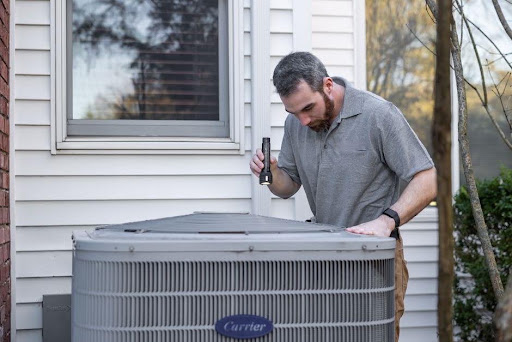
– Clear leaves and debris away from the outdoor unit
– Check your thermostat settings each season
– Schedule professional maintenance at least once a year
Dirty filters are one of the most common problems, and they’re also one of the easiest to fix. If air can’t move properly, the whole system works harder than it should.
Seasonal tune-ups matter too. During a maintenance visit, a technician may inspect refrigerant levels, electrical connections, blower components, coils, and drain lines. It’s less glamorous than a kitchen remodel, sure, but far better than losing AC during a heat wave.
Think About Energy Efficiency Before You Replace a Unit
Replacing an HVAC system is a major purchase. You don’t want to rush it, and you definitely don’t want to buy based only on the sticker price.
A more efficient system can reduce monthly energy costs, but only if it’s sized correctly for your home. Bigger isn’t always better. An oversized unit may cool the house too quickly without removing enough humidity, leaving the air clammy and the system cycling too often.
Ask about:
– SEER2 ratings for air conditioners
– AFUE ratings for furnaces
– Heat pump efficiency options
– Smart thermostat compatibility
– Rebates, tax credits, or financing plans
Also consider your insulation, windows, and duct condition. Installing a high-efficiency unit in a drafty house is a bit like buying premium sneakers and then running through mud. You’ll still move, just not very efficiently.
Make Comfort Decisions That Fit Real Family Life
Perfect indoor comfort doesn’t come from chasing some ideal number on a thermostat. It comes from making practical choices that suit your home, your schedule, and your budget.
If you have kids, pets, allergies, or rooms that never seem comfortable, mention that when speaking with an HVAC professional. Those details matter. A family with allergy concerns may benefit from better filtration or indoor air quality upgrades. The U.S. Environmental Protection Agency provides guidance on indoor air quality, including common pollutants, ventilation, filtration, and ways homeowners can reduce indoor contaminants.
A two-story home with hot upstairs bedrooms may need zoning solutions, airflow adjustments, or ductwork changes. The U.S. Department of Energy explains how duct design, sealing, and insulation can affect comfort and energy efficiency throughout a home.
The goal isn’t to memorize every mechanical detail. It’s to ask better questions, notice issues earlier, and treat your HVAC system like the essential home equipment it is.
When you stay proactive, you protect your comfort, your time, and your wallet. That’s a solid return for paying attention to the air around you.