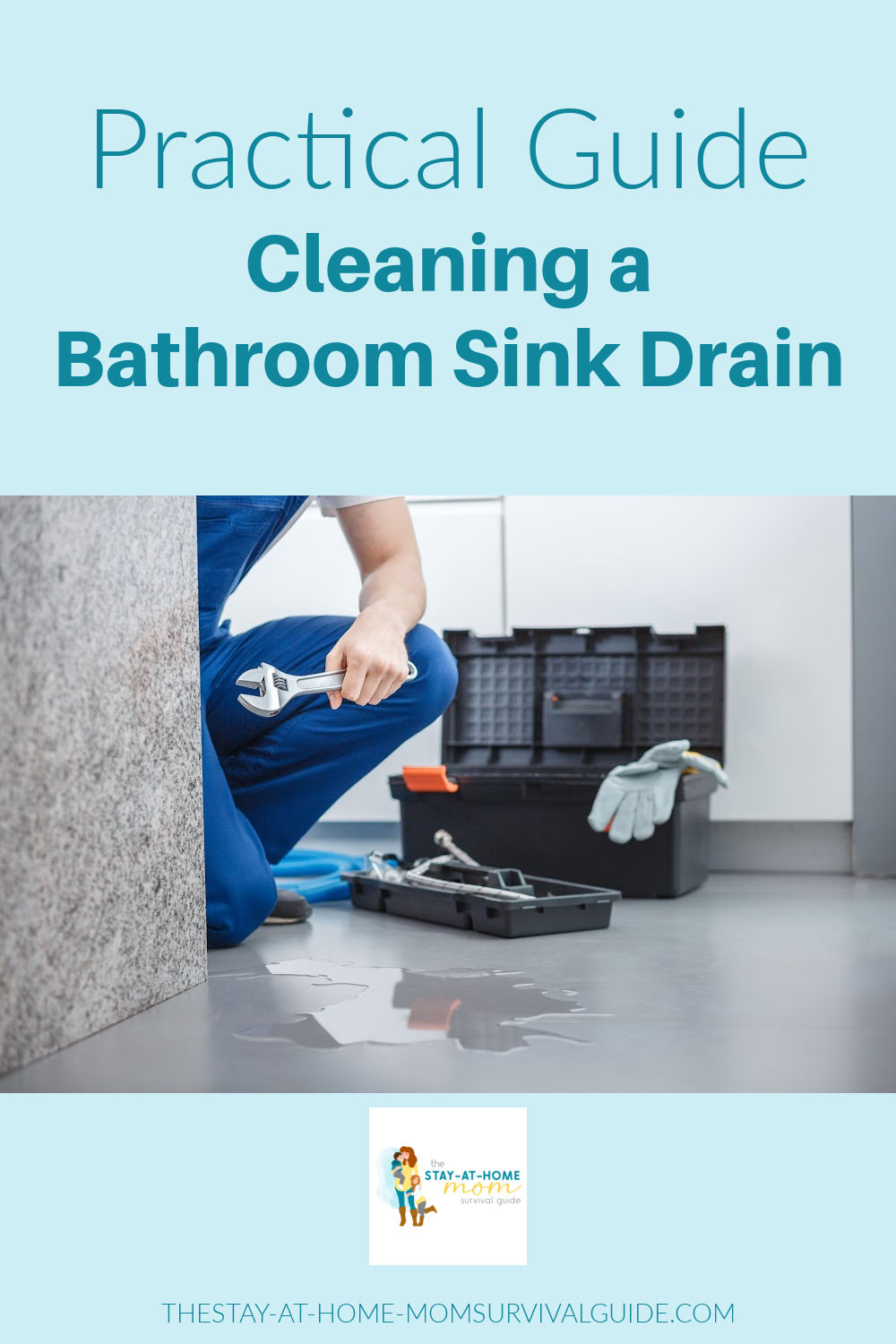

Waking up to a bathroom sink that refuses to drain is a surprisingly common morning frustration. You turn off the tap only to watch the soapy water sit perfectly still in the basin. Dealing with a slow or completely stopped drain can feel overwhelming when you are rushing to start your day. Tackling this plumbing issue early prevents it from becoming a major headache later on.
Understanding the usual suspects behind the blockage
To solve the drainage problem permanently, it helps to know what causes the issue in the first place. Bathroom plumbing handles a very specific set of daily residues. Every time we wash our face or brush our teeth, tiny fragments wash down the plughole. Over weeks and months, these various elements begin to bind together inside the narrow pipes.
The combination of sticky toothpaste, shaving cream, and natural skin oils creates a thick sludge along the pipe walls. This sticky base acts like a magnet for stray hairs and dead skin cells. When this dense mass eventually hardens, you are left wondering how to unblock a sink without calling an expensive plumber. Fortunately, most common clogs sit quite close to the surface and require only a few simple steps to dislodge.
Hair and soap scum accumulation
Hair is arguably the biggest offender in residential bathroom plumbing. Unlike organic matter found in the kitchen, hair does not break down easily in water. It tangles around the crossbars of the drain stopper and forms a tight net. Soap scum then coats this net to turn a few harmless strands of hair into a solid, rubbery plug. Regularly removing the visible debris from the surface can significantly reduce the amount of buildup happening further down the line.
Effective manual methods to restore flow
Often, the most reliable way to deal with a severe blockage is direct physical intervention. A standard wire coat hanger can easily be bent into a makeshift hook to fish out the offending material. Carefully slide the hooked end down the drain, twist it slightly to catch the debris, and pull it back up. It might not be a glamorous task, but pulling out the accumulated grime usually brings immediate relief to a struggling pipe.
Using a traditional plunger
If the wire hook does not reach the blockage, a small cup plunger is your next best tool. Ensure there is enough standing water in the basin to cover the rubber cup completely. This water creates the necessary airtight seal for the tool to work. Block the overflow hole with a damp cloth to prevent air from escaping and pump the plunger vigorously up and down. The alternating pressure and suction force will often dislodge the stubborn mass and push it right through the wider drainage pipes below.
Natural alternatives for minor drainage issues
For slow drains that are not completely stopped up, simple pantry ingredients can be surprisingly effective. Pouring a cup of baking soda directly into the plughole, followed by a cup of white vinegar, creates an immediate chemical reaction. The bubbling action helps loosen the greasy soap scum binding the clog together. Let this mixture sit for about fifteen minutes to work its magic on the grime.
Follow up the baking soda treatment by pouring a kettle full of boiling water straight down the pipe. The intense heat melts away leftover fats and washes the loosened debris down into the main sewer line. This method is particularly useful for dealing with unpleasant smells emanating from the plughole. It is a gentle approach that keeps your plumbing fresh without relying on heavy synthetic compounds or risking damage to older pipes.
Daily habits to keep your pipes clear
The best approach to plumbing maintenance is preventing the buildup before it ever starts. Simple changes in your daily routine can keep water flowing freely year-round. Consider placing a small mesh screen over the plughole to catch stray hairs and larger debris before they enter the pipe. Emptying this little screen takes only a second and saves you from dealing with major blockages hidden deep in the wall.
Make it a habit to flush the drain with hot water for a few seconds after every use. This washes away fresh soap and toothpaste residue before it has a chance to dry and stick to the pipe walls. Weekly maintenance with a handful of baking soda and warm water will keep the trap clean and odour-free. Small preventive steps ensure your morning routine remains completely hassle-free and your bathroom sink stays in perfect working order.