Entering the final stretch of pregnancy is a time of immense anticipation, but for many expectant mothers, the night brings a frustrating set of challenges. As your body prepares for childbirth, a surge of hormones combined with rapid physical changes can make a peaceful night’s rest feel incredibly elusive. Two of the most common yet frequently understated disruptors of prenatal rest are Restless Legs Syndrome (RLS) and intense pelvic girdle discomfort. When dealing with these overlapping issues, finding a supportive sleep environment becomes a medical necessity rather than a simple luxury. Implementing localized physical support, such as finding the pregnancy pillow for your specific body type, can serve as a foundational step in stabilizing your skeleton, improving lower-body circulation, and reclaiming the deep sleep your body desperately needs to prepare for labor.
The Neurology and Biology of Prenatal Restless Legs
Restless Legs Syndrome during pregnancy is a deeply frustrating condition characterized by an irresistible urge to move the lower extremities, typically accompanied by uncomfortable crawling, pulling, or tingling sensations deep within the calf and thigh muscles. These symptoms peak almost exclusively during periods of inactivity, particularly right as you crawl into bed.
The Underlying Triggers
While the exact cause of gestational RLS remains a subject of ongoing clinical study, medical professionals point to a combination of neurological, metabolic, and circulatory triggers:
- Dopamine Fluctuations: Estrogen levels rise drastically during the third trimester, heavily influencing dopamine pathways in the brain that regulate voluntary muscle movements.
- Micro-Nutrient Depletion: The rapidly growing fetus draws heavily upon maternal iron and folate stores. Low iron levels directly impair dopamine synthesis, which can trigger or worsen RLS symptoms.
- Venous Insufficiency: The expanding uterus places continuous physical pressure on the pelvic veins, slowing down the return of blood from the legs back to the heart. This mild pooling of blood can create a heavy, throbbing sensation in the lower limbs.
To combat this nightly restlessness, managing your sleep posture is essential. It may be helpful to adjust your bed position. Keeping your legs properly elevated and correctly aligned can improve your circulation and calm overactive nerve endings.
Deconstructing Pelvic Girdle Discomfort
As if restless legs weren’t enough, the third trimester often introduces pelvic girdle pain (PGP) or symphysis pubis dysfunction (SPD). This discomfort manifests as a sharp or dull ache across the front or back of the pelvis, often radiating into the perineum, inner thighs, and lower back.
The Impact of Relaxin on Pelvic Stability
Early in pregnancy, the placenta produces a hormone called relaxin, which softens the ligaments and cartilage throughout the body. While this softening allows the pelvis to widen to accommodate delivery, it temporarily compromises the joint stability of the pelvic ring. The sacroiliac (SI) joints at the back of the pelvis and the pubic symphysis joint at the front become highly susceptible to uneven shearing forces.
When you lie on your side on a standard mattress, gravity pulls your top leg downward. This asymmetrical drop twists the pelvis out of its neutral alignment, placing immense friction on these already sensitized ligaments and leading to severe morning stiffness and daytime pain.
A Practical Nighttime Posture Guide for Lower Body Relief
To successfully manage the combination of restless nerves and unstable pelvic joints, your nighttime routine must focus on zero-gravity principles and joint neutralization. By systematically propping up your limbs, you can remove the mechanical stress that triggers both conditions.
- Achieve Perfect Lateral Alignment: When side sleeping, never let your top knee drop forward to touch the mattress. Instead, place a thick, supportive cushion between your legs that spans continuously from your thighs all the way down to your ankles. This keeps your knees and ankles perfectly parallel, ensuring your hips remain stacked and your pelvic ring is fully unloaded.
- Elevate for Circulatory Return: To encourage blood flow and ease the pulling sensations of RLS, use an angled or contoured cushion to prop your lower legs slightly above the level of your hips. This simple shift assists the venous system in pumping blood out of the lower extremities, preventing fluid pooling and reducing nighttime muscle twitching.
- Anchor Your Torso: Lean back slightly against a long, firm support bolster. Providing a stable physical boundary behind your spine prevents you from unconsciously rolling onto your back or twisting your lower lumbar spine during deep sleep cycles.
Choosing Between Full-Body and Modular Support Designs
The way you position your sleep aids depends entirely on your specific pain patterns and how much you tend to move around at night.
- Symmetrical Full-Body Contours: If you are a restless sleeper who frequently flips from your left side to your right side, a large, symmetrical wraparound cushion is highly effective. It creates a continuous buffer on both sides of your body, meaning you don’t have to reposition loose pillows when you turn over.
- Asymmetrical Target Anchors: For those who suffer primarily from intense, localized under-belly pulling and sharp pelvic pain, a flexible, curved design that molds directly underneath the abdomen and hooks firmly between the thighs is ideal. This configuration offers concentrated support exactly where gravity pulls hardest, without crowding the entire bed.
Secondary Lifestyle Adjustments to Enhance Sleep Quality
While proper structural alignment is an absolute cornerstone of maternal sleep health, pairing ergonomic adjustments with targeted daily habits will maximize your relief from RLS and pelvic pain.
Targeted Physical Therapy and Stretching
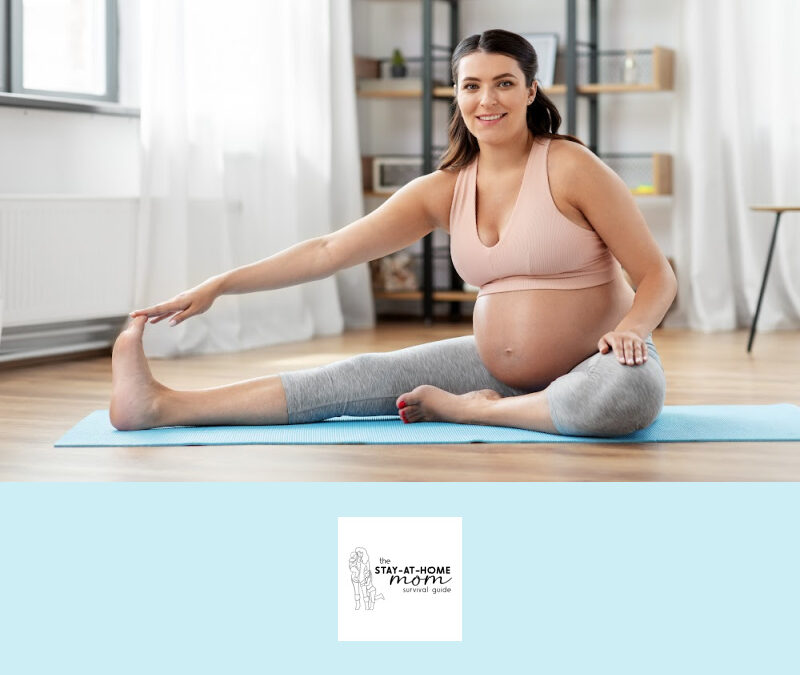
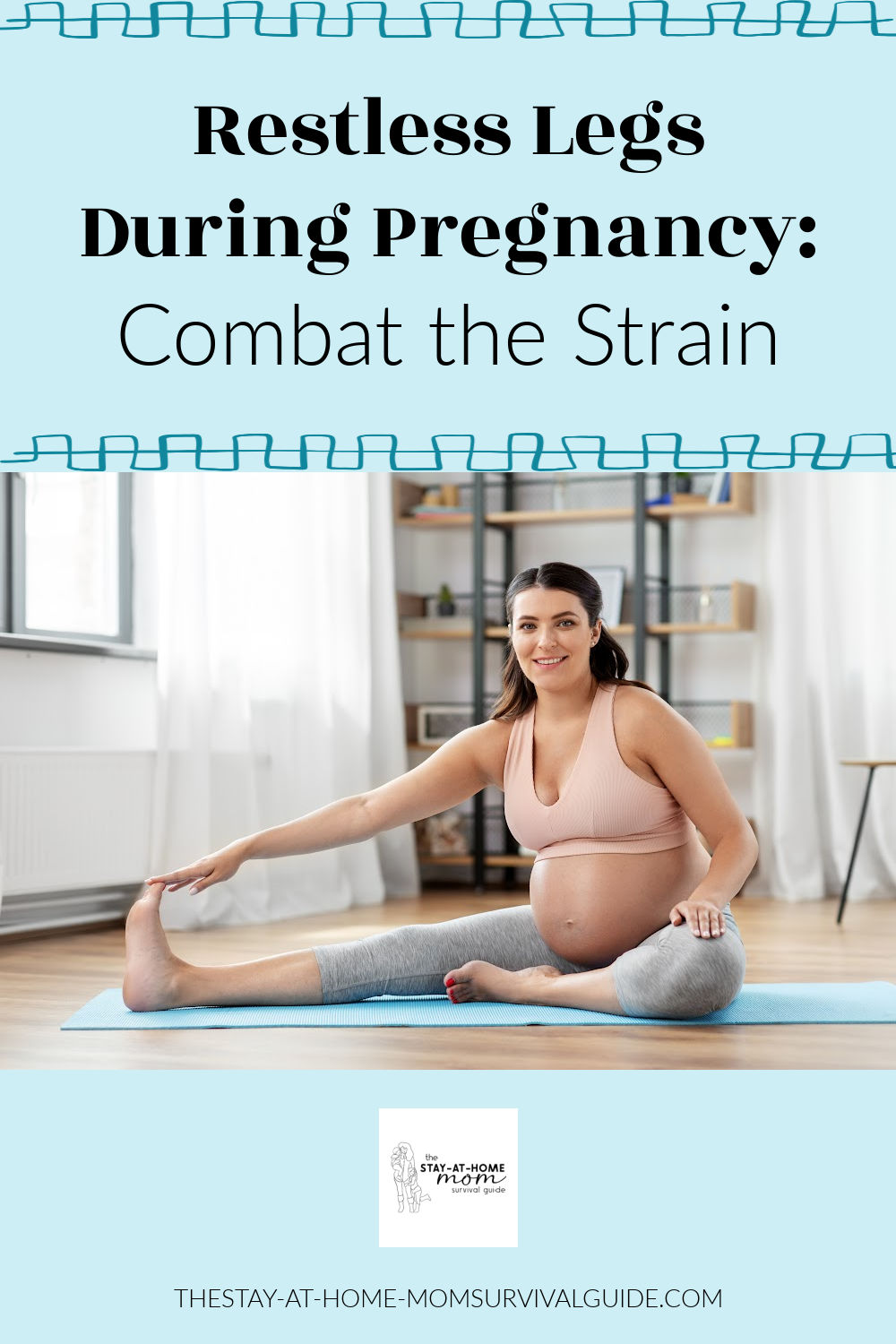
Engaging in low-impact pelvic stabilization exercises during the day can significantly build up the deep core muscles that support the pelvis. Gentle stretches, such as the cat-cow movement or a supported child’s pose, help release tension in the lower back and hamstrings. Additionally, executing a series of gentle calf stretches right before getting into bed can help calm the nervous system and ward off early-stage RLS sensations.
Thermal Therapy and Circulation Boosts
Taking a warm bath infused with magnesium-rich Epsom salts an hour before bed can work wonders for both your muscles and nerves. Magnesium is absorbed through the skin, helping to relax tense muscle fibers and quiet hyperactive nerve signals in the legs. For isolated pelvic pain, applying a cold compress to the pubic bone can temporarily numb nerve endings and reduce localized inflammation caused by joint friction.
Nutritional Tracking
Because nutrient deficiencies are a known catalyst for leg restlessness, it is wise to have your healthcare provider check your ferritin (iron) levels. Increasing your intake of iron-rich foods, such as spinach, lentils, and lean red meats, alongside adequate hydration, can help keep RLS symptoms at bay throughout the later stages of your pregnancy.
Conclusion
Navigating the late stages of pregnancy requires a deep understanding of your body’s changing structural needs. Restless legs and pelvic girdle discomfort can certainly complicate your nights, but they do not have to rob you of your rest entirely. By taking a proactive approach to your sleep alignment—keeping your pelvis stacked, your abdomen supported, and your lower extremities elevated—you can effectively counteract the daily strain of gravity and joint laxity. Investing the time to optimize your sleep setup protects your physical health and provides your body with the deep, restorative recovery it needs as you prepare for the wonderful journey ahead.

Late pregnancy restlessness is no joke, and the combo of leg discomfort plus pelvic pressure sounds like the kind of thing that can make every night feel endless. narinig mo ba made me think of those quiet, late-night moments when you’re just trying to get comfortable and everything feels a little more intense than it should.
Ugh, the restless legs + pelvic pressure combo in late pregnancy is no joke, especially when you’re just trying to sleep. I like the practical angle here, because sometimes it really is the little stuff—position changes, stretching, and just figuring out what your body can tolerate—that makes the night manageable, kind of like finding a steady rhythm in mega man x regenesis.
The side-sleeping setup with a pillow between the knees was the only thing that worked for me in the third trimester – glad to see it written down properly rather than buried in a forum thread. Working from home through that stretch (I run Ravvi with a small team) made the afternoon rest possible, which helped more than anything else. Thank you for this.
I really appreciate how you explained both the causes and the coping strategies. It’s comforting to know there are simple ways to ease these common pregnancy discomforts. Great resource drift boss!