Photo by Pavel Danilyuk from Pexels: https://www.pexels.com/photo/kids-playing-on-the-floor-8422260/
Selecting a kindergarten to attend is generally one of the first important choices that parents have to make regarding the education of their children. Although the choice seems simple and easy to make, most of the time, parents will discover that there are actually several other considerations that need to be made.
In cases where the kindergarten is located in the western suburbs of Melbourne, specifically places like Altona Meadows under the Hobsons Bay City Council, parents would find themselves checking out a few different kinds and assessing their suitability.
Kindergarten represents a child’s first step towards a well-structured educational experience. This makes it difficult for most families to search for not the ideal kindergarten, but rather just the appropriate one.
1. Learning Structure in Daily Life
Kindergarten programs in Australia usually embrace the concept of the Early Years Learning Framework (EYLF), where learning is fostered through the use of intentional play and intentional teaching.
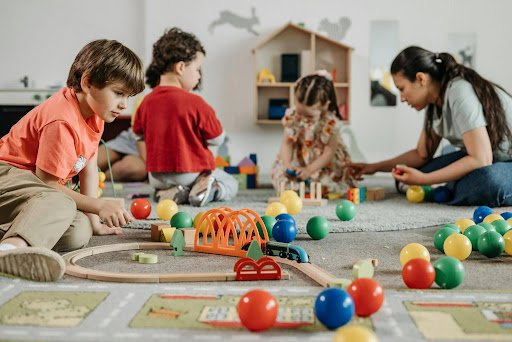
It usually entails children doing different tasks ranging from playing on their own to playing as a group and other guided activities. It entails less focus on academic teachings but rather instilling skills related to their level of development, for example, developing language skills, socialisation skills, and emotion management skills, among others.
When observing a kindergarten program, one should mainly focus on the interactions of the children within the environment.
2. Atmosphere and Environment
The environment also contributes to children’s comfort as they enter kindergarten. Exploring such an institution as Altona Meadows Kindergarten or other similar places in Melbourne, it might be helpful to see whether it is friendly.
Families consider the whole atmosphere of the environment an indicator of children’s adaptation to kindergarten. For instance, parents might observe how the environment functions while children do their routine activities.
Kids can differ greatly when entering kindergarten. Some of them easily adapt to the environment and participate actively in games and other activities, whereas others need time for it.
In this situation, families should assess how well-structured the daily routine of the kindergarten is to ensure that kids will have a chance to get used to everything.
3. Educator-Child Interaction and Support
The role of educators in this case is crucial because they assist in developing kids’ communication skills, emotional regulation, and independence. They guide children and help to participate in certain activities in accordance with a certain routine and show a proper reaction to certain situations.
Families also pay attention to how educators treat children and whether they are respectful of them when communicating.
4. Educator Continuity
Consistency in staff of educators is also important because it allows children to adapt to kindergarten faster. Staff in educational establishments might change from time to time since this is the case in any company.
Nevertheless, families can check whether educators in this kindergarten tend to stay for a long time and whether kids will have a chance to become friends with them.
It is possible to ask for this information from educators directly.
5. Parent-educator communication
Communication with families is another feature that parents usually pay attention to when choosing kindergarten in Australia. Teachers usually keep in touch with families regularly to let them know about their children’s daily routine and achievements.
As a result, families are aware of children’s progress and have chances to discuss it with educators if necessary. It helps to improve kids’ performance significantly, as parents can cooperate with educators in this matter.
6. Supporting Children’s Adaptation
The transition period before attending kindergarten is different for each child. Whereas some kids adapt easily, others require additional time to become familiar with kindergarten.
In order to provide this opportunity, kindergartens usually offer various orientation programs for helping children feel comfortable in this new environment. Different kinds of approaches to adaptation usually help kids overcome barriers of their first contact with kindergarten.
Usually, families participate in the process and help kids feel better in this environment.
7. Considering Impressions of Your Visit
Having considered all the practical questions and features, many families pay attention to their impressions when selecting kindergartens. It includes the feeling from the first visit, the behaviour of children at the moment, the level of educators’ attentiveness towards kids and parents, etc.
It would be a mistake to base one’s decision entirely on personal impressions because they sometimes can be deceptive. Nevertheless, they are also significant in terms of assessing whether the institution can provide kids with a comfortable environment.