
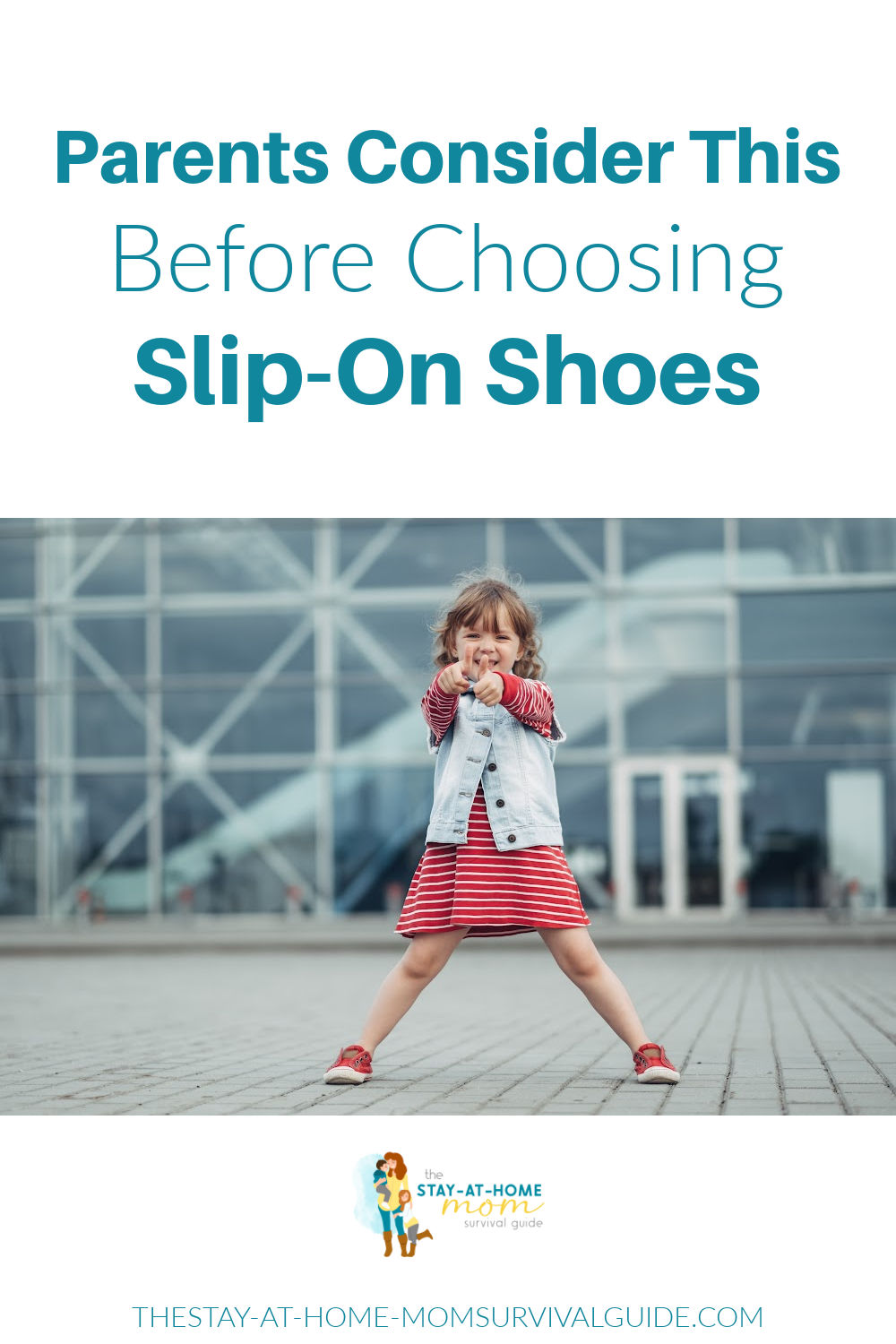
School mornings, family outings, and quick trips become easier when children can put on their shoes without constant assistance. Slip-on styles support growing independence, but convenience should never replace a careful review of fit, support, construction, and intended use. Parents should examine several practical details before selecting a pair for regular wear.
Some children may prefer the familiar look of a Jordan 1, yet a slip-on design requires a different fit assessment because there are no traditional laces to tighten. The shoe must hold the foot securely through its shape, elastic sections, heel structure, and interior design. A well-chosen pair should feel comfortable from the first wear without slipping, squeezing, or restricting natural movement.
Check The Overall Fit First
The right fit should always come before color or design preferences. Children need enough room for natural toe movement without excessive space that allows the foot to slide during walking. When reviewing styles such as adidas Campus, parents should confirm that the heel stays secure and the sides do not create pressure.
Examine The Shoe Construction
A well-made slip-on shoe should maintain its shape after repeated wear. Flexible materials are useful, but the upper should still provide enough structure to keep the foot comfortably positioned. Styles such as adidas Samba can be assessed by checking the stitching, finished edges, and reinforced areas around common wear points.
Look At The Sole Design
The outsole deserves careful attention because it affects grip and stability. A textured sole provides dependable traction across school floors, sidewalks, parks, and other common surfaces. When considering designs such as adidas Superstar, parents should check that the sole bends near the forefoot and remains stable through the middle.
Evaluate Comfort Inside The Shoe
Children may wear school shoes for several hours each day. A smooth interior lining helps limit rubbing, while light cushioning supports comfort during classroom activities, recess, and family outings. Before selecting styles such as Nike Air Force 1, parents should inspect the lining, insole, and interior seams for firm or rough areas.
Choose Breathable Materials
Breathable materials help keep feet comfortable during long periods of wear. Canvas, mesh, and other lightweight materials allow airflow and help reduce heat buildup during warmer weather or active play. For options such as Nike Vomero 5, parents should review the upper material and confirm that ventilation suits the child’s daily routine.
Make Sure The Shoe Is Easy To Wear
One reason many families choose slip-on shoes is their convenient design. Younger children benefit from footwear that can be put on independently without complicated closures. Parents should check that the opening stretches comfortably while still holding the foot securely after the shoe is on.
Consider Everyday Activities
Children use casual shoes in several settings throughout the week. A suitable pair may need to handle classroom routines, recess, family outings, and neighborhood walks. Daily activities should guide the choice of material, sole structure, cushioning, and overall support.
Signs Of A Practical Everyday Pair
A practical pair should include features that support secure movement and regular wear. Parents can check the following details before making a purchase. Each feature should match the child’s foot shape and expected activities.
- Secure heel fit without excessive slipping
- Flexible forefoot for natural movement
- Comfortable interior with a smooth lining
- Durable outsole with dependable traction
These features should work together to keep the foot stable during regular movement. Parents should also check that the shoe feels comfortable after several minutes of walking, turning, and standing. A practical pair should remain secure without pinching, rubbing, or shifting during common daily activities.
Check Durability Before Buying
Children’s shoes experience regular wear from school routines and active play. Materials should resist common scuffs while maintaining their original shape through repeated use. Parents can examine the stitching, sole attachment, toe area, and overall finish before purchasing.
Know When Replacement Is Necessary
Shoes eventually wear out as children grow and daily use affects the materials. A study involving 112 children found that those aged 12 to 30 months generally required a new shoe size every two to three months. Parents should check for cramped toe space, heel movement, worn soles, and reduced support before continued use causes discomfort.
Balance Style And Practicality
Children may prefer attractive colors, recognizable designs, or styles that match favorite outfits. Parents should still evaluate fit, traction, interior comfort, and construction before considering visual details. A practical shoe should support school routines and casual activities while reflecting the child’s personal preferences.
Choosing slip-on shoes becomes much easier when parents focus on fit, construction, comfort, durability, and practical everyday use before making a purchase. Careful attention to these details helps children stay comfortable during school days, family activities, and regular play without unnecessary distractions.
How To Find A Reliable Shoe Store Online
A reliable shoe store should provide detailed size information, clear product descriptions, and multiple images for styles such as Jordan 1. Transparent return policies and verified customer reviews help parents make informed purchasing decisions. A broad footwear selection also makes it easier to find shoes suited to a child’s fit, comfort, and daily needs.
Choosing slip-on shoes becomes easier when parents examine fit, supportive construction, durable materials, and long-term comfort. Regular fit checks and careful product evaluation help ensure the shoes continue to accommodate growing feet. A thoughtful selection can provide dependable comfort and practical use throughout a child’s daily routine.

It is truly a well-researched content and excellent wording. I got so engaged in this material that I couldn’t wait to read. I am impressed with your work and skill. Thanks. Read more info about Keywowhiskey membershiprd